

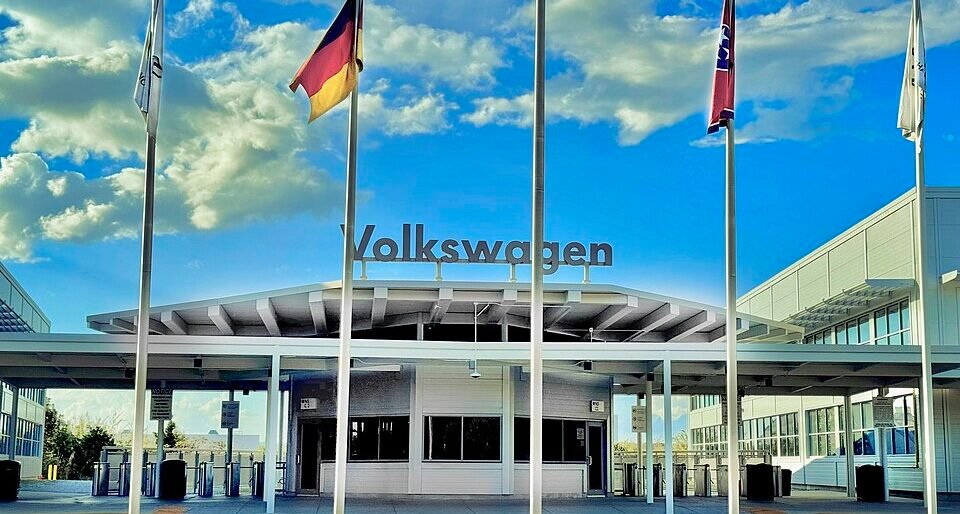
Germany’s ambitious push toward electric vehicles has hit a wall in Emden, where Volkswagen’s historic assembly plant faces potential closure. For thousands of auto workers and their families, the forced transition away from internal combustion engines has become a source of fear, frustration, and economic uncertainty. The crisis highlights the tension between government‑mandated climate policies and the realities of consumer demand and industrial sustainability.
Background: From ICE to EV Two years ago, Volkswagen phased out internal combustion engine production at its Emden facility, committing fully to electric vehicles. The move was hailed as a milestone in Europe’s green transition. Yet today, the plant sits on a short list of facilities facing shutdown due to sluggish EV sales and mounting financial losses. For the East Frisia region, where the plant is a cornerstone of the local economy, the consequences could be devastating.
Worker Voices and Local Impact On the factory floor, anxiety runs high. “If the plant were to close entirely, they might as well open the dikes and flood the whole region, because nothing would make sense anymore since we all depend on those jobs,” one worker lamented. The plant employs 7,700 people directly, but its economic footprint extends far wider. Local suppliers, shipping ports, and small businesses rely on Volkswagen’s purchasing power, with estimates suggesting 40,000 to 50,000 regional jobs are tied to the plant’s operations.
Top‑Down Mandates vs. Market Reality The crisis in Emden illustrates the risks of central planning. European Union regulations and government quotas pushed automakers to invest billions in EV production. Despite subsidies and marketing campaigns, consumers remain hesitant.
- Sluggish Demand: Families continue to favor affordable gas‑powered cars over costly EVs.
- Global Competition: Chinese manufacturers, backed by state subsidies, undercut European automakers with cheaper models.
- Ripple Effects: Regional businesses report sales drops of up to 40% as workers cut spending.
Corporate Disconnect Adding to worker frustration is the perceived lack of transparency from Volkswagen’s leadership. Employees learned of potential closures through media leaks rather than direct communication. When CEO Oliver Blume addressed staff, workers lined the streets with banners demanding honesty: “Don’t talk to the press, talk to us.” For many, the disconnect between executive rhetoric and frontline reality has eroded trust.
Economic Fallout Across Sectors The potential closure would reverberate across East Frisia:
- Assembly Line Workers: Veterans face career uncertainty, mortgage defaults, and family instability.
- Small Businesses: Retailers and service shops report sharp declines in sales.
- Youth and Apprentices: Graduates and trainees are leaving the region, fearing a lack of long‑term prospects.
A Broader Warning for Industry Volkswagen’s struggles are not isolated. They serve as a cautionary tale for industries worldwide. When ideology overrides market realities, the result can be economic imbalance and industrial decline. For Germany, the crisis threatens its reputation as a global automotive leader. For other nations, it raises questions about how far government mandates should go in reshaping industries.
Conclusion: Lessons from Emden The unfolding situation at Volkswagen’s Emden plant underscores the challenges of forced transitions in complex industries. While the goal of reducing emissions is widely shared, the path to achieving it remains contested. For workers in Emden, the fight is not about ideology but survival — protecting jobs, families, and communities. For policymakers and executives, the lesson is clear: sustainable change must align with consumer realities and economic viability.
About Republican Column: At Republican Column, we bring you breaking U.S. news, politics, and global developments every day to keep you informed.