

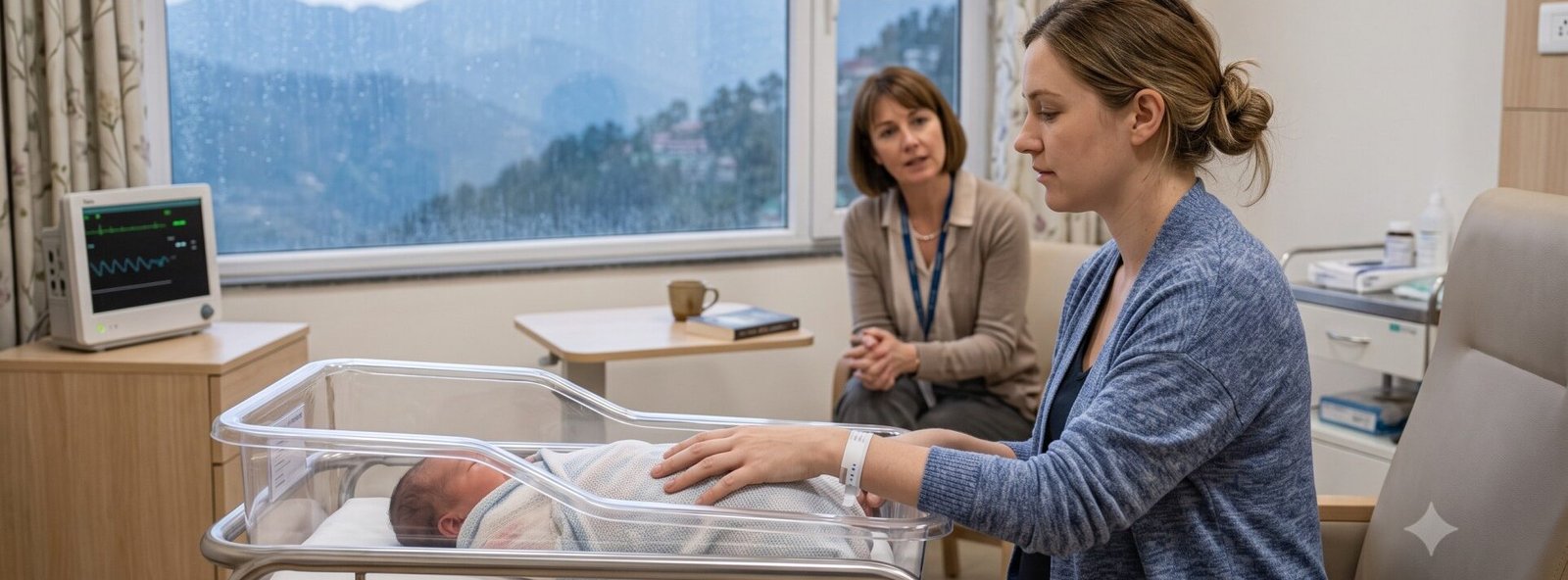
The international attention surrounding the Lindsay Clancy case has sparked a broader conversation about postpartum psychosis—and about whether healthcare systems are adequately prepared to recognize and treat this rare psychiatric emergency.
Clancy, a Massachusetts mother whose case involved extensive testimony about severe postpartum psychosis, became the focus of intense public and legal scrutiny in the United States. The trial ended in a mistrial after the jury was unable to reach a unanimous verdict.
But the discussion has extended well beyond the courtroom.
In Australia, psychiatrists, maternal-health advocates and medical organizations have renewed concerns about the availability of specialized care for women experiencing severe mental illness after childbirth. Among the issues being highlighted are limited access to Mother and Baby Units, uneven services between metropolitan and rural communities, and difficulties identifying serious psychiatric symptoms early.
What Is Postpartum Psychosis?
Postpartum psychosis is a rare psychiatric emergency that can develop shortly after childbirth. It is estimated to affect roughly 1 to 2 women per 1,000 births.
The condition is different from the more common “baby blues,” postpartum depression or postpartum anxiety. Symptoms can develop rapidly and may include hallucinations, delusions, extreme confusion, paranoia, severe agitation and a loss of contact with reality.
One of the most important characteristics of postpartum psychosis is its potential speed and severity. A woman who appeared well shortly after giving birth can become seriously unwell over a relatively short period.
That is why medical professionals generally consider suspected postpartum psychosis an emergency requiring immediate assessment.
The condition is also treatable. With prompt psychiatric care, appropriate medication and close monitoring, many women recover. Inpatient treatment may be necessary when symptoms are severe or when there are concerns about the safety of the mother or baby.
Australia’s Mother and Baby Unit Shortage
One of the central concerns raised by Australian mental-health professionals is the limited availability of specialized Mother and Baby Units, commonly known as MBUs.
These facilities are designed to allow a mother to receive psychiatric treatment while remaining with her infant whenever clinically appropriate. This approach can support treatment while also helping maintain the mother-infant relationship.
When a specialized unit is unavailable, however, an acutely unwell mother may instead be admitted to a general psychiatric ward. In some circumstances, that can mean being separated from her baby.
For families already dealing with a frightening psychiatric emergency, that separation can add another layer of emotional distress.
Australia’s specialist perinatal psychiatric services are also unevenly distributed. Major metropolitan areas generally have greater access to specialist services than regional, rural and remote communities.
That creates a significant challenge for families who may need urgent help but live hours away from a facility equipped to manage complex perinatal mental-health emergencies.
Why Early Recognition Matters
Recognizing the warning signs of postpartum psychosis can be difficult because some early symptoms may initially be mistaken for ordinary exhaustion associated with having a newborn.
Severe or prolonged insomnia, unusual agitation, rapidly changing behavior, confusion, suspiciousness or increasingly unusual beliefs can warrant urgent professional assessment—particularly when symptoms appear suddenly or become progressively more severe.
This places considerable responsibility on the wider healthcare system.
General practitioners, midwives, obstetric teams, maternal and child health professionals and emergency departments may all encounter women during the postpartum period. Ensuring that frontline clinicians understand the warning signs of severe perinatal psychiatric illness can help reduce delays in treatment.
It is important to distinguish this from routine postpartum screening. Screening tools commonly used after childbirth can help identify depression and anxiety, but a rapidly developing psychotic illness requires clinical assessment rather than relying on a questionnaire alone.
The Geographic Divide in Perinatal Mental Healthcare
Access to specialized mental-health care can vary significantly depending on where a woman lives.
A mother in a major Australian city may have access to specialist perinatal psychiatrists, hospital-based services and Mother and Baby Units. A woman in a remote or regional community may face a very different situation.
Long travel distances, limited specialist availability and difficulties accessing emergency psychiatric services can all complicate treatment.
This geographic divide is particularly important in conditions such as postpartum psychosis, where rapid assessment can be critical.
Improving telehealth services can help connect regional patients with specialists, but remote consultations cannot completely replace appropriately equipped inpatient facilities when someone requires intensive psychiatric care.
Why Keeping Mothers and Babies Together Can Matter
The concept behind Mother and Baby Units goes beyond convenience.
Specialized units are intended to provide psychiatric treatment in an environment that takes the needs of both mother and infant into account. Depending on the clinical circumstances, this can allow mothers to receive treatment without completely disrupting early caregiving and bonding.
For some families, the availability of this type of care may also reduce the fear associated with seeking psychiatric help.
Mental-health advocates have argued that families should be able to seek emergency treatment without automatically assuming that asking for help will result in unnecessary separation from a baby. At the same time, decisions about a child’s safety must always be based on the individual clinical circumstances.
The goal is therefore not simply to increase the number of beds, but to create a system capable of balancing psychiatric treatment, maternal recovery and infant safety.
What Could Improve Australia’s Response?
Experts and advocacy groups have pointed to several areas where Australia’s perinatal mental-health system could be strengthened.
Expand Mother and Baby Unit Capacity
Increasing the number of specialist beds would give more women access to treatment designed specifically around the needs of mothers and infants.
Strengthen Rural and Regional Services
Specialist perinatal psychiatric care should not be concentrated exclusively in major capital cities. Better regional pathways, outreach programs and specialist support could help reduce geographic disparities.
Improve Frontline Training
Doctors, midwives, nurses and other professionals who regularly interact with new mothers need to recognize symptoms that may indicate a psychiatric emergency rather than assuming that severe sleep disruption or unusual behavior is simply part of early parenthood.
Create Faster Referral Pathways
A clearly defined pathway from primary care, maternity services or emergency departments to specialist psychiatric assessment could help reduce delays when symptoms escalate rapidly.
Increase Public Awareness
Families and new parents also need reliable information about severe postpartum mental illness. Knowing that hallucinations, delusions, extreme confusion or rapidly deteriorating behavior are not normal postpartum experiences could encourage earlier help-seeking.
The Larger Lesson From the Lindsay Clancy Case
The Lindsay Clancy case is exceptionally tragic, and a court case cannot by itself provide a complete picture of postpartum psychosis or determine how individual medical systems should respond.
However, the international attention surrounding the case has created an opportunity for a much broader discussion.
Postpartum psychosis remains uncommon, but its potential consequences make rapid recognition and treatment particularly important. Australia’s challenge is not simply identifying women once they reach a psychiatric crisis. It is building a system in which specialist help is accessible before a developing emergency becomes harder to manage.
That means investing in specialist facilities, improving clinical education, strengthening regional services and making it easier for families to seek help when something appears seriously wrong.
For new mothers and their families, access to appropriate mental-health care should not depend primarily on their postcode.
And for healthcare systems, the most important lesson may be that perinatal mental health needs to be treated as an essential part of maternal healthcare—not as an afterthought once a crisis has already begun.
Frequently Asked Questions
How common is postpartum psychosis?
Postpartum psychosis is rare, affecting approximately 1 to 2 women per 1,000 births. Despite its rarity, it is considered a psychiatric emergency because symptoms can develop quickly and become severe.
What are the warning signs of postpartum psychosis?
Possible warning signs include severe confusion, hallucinations, delusions, paranoia, extreme agitation, unusual behavior and a significant loss of contact with reality. Sudden or rapidly worsening psychiatric symptoms after childbirth require urgent medical assessment.
Is postpartum psychosis treatable?
Yes. Postpartum psychosis can be treated, often with a combination of psychiatric medication, close monitoring and, when necessary, inpatient care. Early treatment is important.
What is a Mother and Baby Unit?
A Mother and Baby Unit is a specialist psychiatric facility designed to provide mental-health treatment to mothers while allowing their infants to remain with them when clinically appropriate.
Why is postpartum psychosis considered an emergency?
The condition can progress rapidly and may seriously affect a person’s judgment, perception and behavior. Prompt professional assessment is therefore important when postpartum psychosis is suspected.
What should a family do if they suspect postpartum psychosis?
They should seek urgent medical or emergency psychiatric assessment rather than waiting for symptoms to resolve on their own. If there is an immediate risk of harm, emergency services should be contacted.
Final Thought
The renewed attention to postpartum psychosis should ultimately lead to more than discussion. It should encourage healthcare systems to examine whether mothers can access specialized psychiatric care quickly, wherever they live.
For Australia, that means looking closely at Mother and Baby Unit capacity, regional access, clinician training and the pathways available to families facing a sudden mental-health emergency after childbirth.
About Republican Column: At Republican Column, we bring you breaking U.S. news, politics, and global developments every day to keep you informed.