

After months of fighting, President Donald Trump is signaling that the long-running conflict with Iran may finally be approaching a turning point.
Speaking on September 16, Trump said he hoped the war was nearing its end and claimed Iran was interested in reaching a deal. His comments came as Washington prepared for further discussions with Gulf Arab leaders about what a postwar Middle East could look like.
For Trump’s supporters, the message fits squarely within the president’s “Peace Through Strength” approach: maintain pressure, strengthen America’s negotiating position and seek an agreement that Washington considers favorable to U.S. interests.
But the road to an agreement remains uncertain.
The conflict has now entered its seventh month, with fighting continuing around the region and diplomatic efforts facing significant obstacles.
Trump Puts November in the Spotlight
Trump has repeatedly suggested that the conflict could wind down around or after the November midterm elections.
On September 9, he said he expected the war to end shortly after the elections. More recently, he struck a somewhat more immediate tone, saying he hoped the conflict was already approaching its conclusion.
That creates an important distinction.
Trump is expressing an expectation, not announcing a completed peace agreement.
There is currently no finalized comprehensive settlement between Washington and Tehran ending the conflict. Recent reporting indicates that diplomatic efforts have stalled even as both sides continue dealing with the consequences of the fighting.
For the White House, however, the possibility of negotiations represents a significant shift from the most intense periods of confrontation.
The America First Argument
Trump’s foreign-policy supporters have long argued that negotiations are more effective when the United States enters them from a position of strength.
That philosophy has become a defining feature of Trump’s second administration.
Rather than emphasizing lengthy international negotiations before applying pressure, Trump has frequently argued that economic and military leverage can force adversaries to reconsider their positions.
His supporters see the Iran confrontation through that lens.
The argument is that Washington should not accept an agreement simply because it ends fighting. Any eventual settlement, in this view, should protect American interests, address regional security concerns and prevent Iran from rebuilding capabilities that Washington considers threatening.
That is the core of the “Peace Through Strength” message.
The Strait of Hormuz Changes Everything
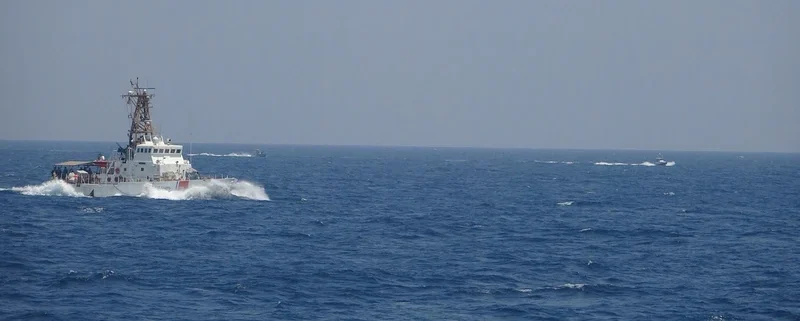
One of the biggest issues surrounding the conflict is the Strait of Hormuz, the strategically important waterway connecting the Persian Gulf with global shipping routes.
Disruption in the region has already affected international energy markets. Reuters reported that crude prices have climbed above $100 a barrel during the latest escalation, while the conflict has disrupted oil supplies and created additional pressure on consumers.
For the Trump administration, securing maritime commerce is therefore not simply a Middle Eastern concern.
It is also an American economic issue.
Higher energy prices can raise transportation and production costs throughout the U.S. economy. A prolonged disruption could also complicate the administration’s efforts to keep inflation under control.
That gives Trump another reason to seek a durable settlement.
A New Diplomatic Track
The administration is not relying entirely on military pressure.
Trump is scheduled to meet Gulf Cooperation Council leaders on the sidelines of the United Nations General Assembly in New York. The discussions are expected to address U.S. strategy toward Iran and planning for the period after the war.
The GCC includes Saudi Arabia, the United Arab Emirates, Qatar, Bahrain, Kuwait and Oman.
These countries have been directly affected by the conflict because of their geographic position, energy infrastructure and hosting of U.S. military facilities.
Their involvement could therefore become important in any eventual regional settlement.
The diplomatic effort also reflects a broader reality: ending the conflict would require more than a Washington-Tehran announcement. Regional governments would have to consider security arrangements, energy flows, shipping and Iran’s relationships with armed groups across the Middle East.
Iran Has Its Own Position
Tehran has not simply accepted Washington’s demands.
Iran has continued to resist American pressure, while the two sides remain divided over fundamental questions surrounding the conflict and Iran’s future security posture.
The situation is further complicated by Iran’s relationship with the Houthis in Yemen and continuing instability around important maritime routes. Reuters reported this week that the fighting in Yemen has intensified, with Houthi attacks contributing to further disruption of regional energy infrastructure.
That means even if Washington and Tehran move toward an agreement, other regional conflicts could remain unresolved.
Trump’s Supporters See Leverage Working
Among Trump’s political base, the emerging diplomatic discussion is likely to reinforce a familiar argument.
They see Trump’s willingness to combine pressure with negotiations as fundamentally different from what they describe as the more cautious foreign-policy approach of previous administrations.
The president’s message is essentially that America can negotiate without appearing desperate.
For supporters of the MAGA movement, that distinction matters.
They argue that diplomacy does not require Washington to surrender leverage. Instead, they believe the United States should use its economic influence, alliances and broader strategic power to pursue terms that prioritize American security and economic interests.
Whether that strategy ultimately produces a lasting agreement remains unresolved.
The Biggest Question Is What Comes After the War
Even if Trump succeeds in bringing the fighting to an end, the hardest questions may come afterward.
What happens to Iran’s nuclear program?
What security guarantees would regional countries receive?
How would shipping through the Strait of Hormuz be protected?
What happens to Iran’s relationships with regional armed groups?
And what role should the United States play once the immediate fighting stops?
Those questions could determine whether a future agreement represents a temporary pause or a more lasting change in the Middle East.
Trump has made clear that he wants an agreement on terms he considers favorable to the United States. At the same time, current reporting shows that negotiations remain uncertain and the fighting has not yet ended.
For now, the president is betting that pressure can create an opening for diplomacy.
That is the central idea behind his Peace Through Strength foreign-policy message: use American leverage first, then negotiate from that position.
Whether Tehran ultimately accepts that approach—and whether November becomes the turning point Trump predicts—remains one of the biggest unanswered questions in Washington and the Middle East.
About Republican Column: At Republican Column, we bring you breaking U.S. news, politics, and global developments every day to keep you informed.