

Middle East Tensions Cast Long Shadow Over UN General Assembly
Diplomats gather in New York as Iran, Yemen, shipping routes and energy prices complicate efforts to find a path toward de-escalation.
UN General Assembly discussions are unfolding against a backdrop of regional conflict, Red Sea security concerns, sanctions on Iran and continued pressure on global energy markets.
NEW YORK — The United Nations General Assembly is opening amid a series of interconnected crises in the Middle East, with diplomats facing questions about regional security, disrupted shipping routes, economic pressure and the possibility of renewed negotiations.
The conflict involving the United States, Israel and Iran has increasingly affected countries and commercial routes far beyond the immediate battlefield. Developments involving Yemen and the Houthi movement have added another layer of uncertainty around the Red Sea, while concerns over the Strait of Hormuz continue to weigh on energy markets.
For governments gathering in New York, the challenge is not only how to address the underlying conflicts but also how to contain their wider economic and humanitarian consequences.
Yemen Adds Another Layer of Uncertainty
One of the most closely watched developments is the situation in Yemen, where fighting involving Houthi forces has intensified.
According to the material provided, Yemen’s internationally recognized government has sought direct U.S. support against the Houthis. Washington has so far avoided committing to a broader military role, reflecting concerns about becoming more deeply involved in another prolonged regional conflict.
The Houthis’ position along parts of Yemen’s Red Sea coastline has also raised concerns about maritime security. The Bab el-Mandeb Strait is an important shipping corridor connecting the Red Sea with the Gulf of Aden, making instability in the area a concern for international trade.
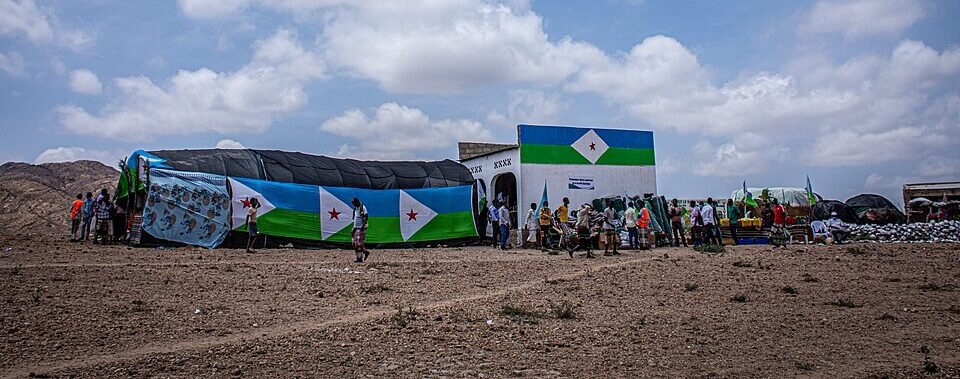
The conflict is also creating a humanitarian burden. The material provided cites significant internal displacement in Yemen and movement of civilians toward neighboring Djibouti.
For international organizations, the security situation and humanitarian crisis are therefore closely connected.
Energy Markets Remain Vulnerable
The security concerns surrounding both the Bab el-Mandeb Strait and the Strait of Hormuz have also contributed to uncertainty in global energy markets.
Oil prices can respond quickly to concerns about supply disruptions, particularly when those concerns involve major maritime routes used to transport crude and other energy products.
The material provided notes that Brent crude recently moved below $100 a barrel following reports of stronger-than-expected Gulf exports. Even with that decline, however, the underlying risks remain significant if fighting expands or shipping routes are disrupted for an extended period.
Consumers are also dealing with pressure from higher fuel costs and refinery constraints.
In the United States, those pressures have generated discussion about whether fuel exports should face additional restrictions in order to protect domestic supplies. Any such policy would involve a difficult balance between domestic price concerns and the interests of producers and international trading partners.
New Sanctions Add Pressure on Iran
Economic pressure on Iran is another major part of the diplomatic picture.
The United States has moved to impose additional sanctions targeting Iranian commercial aviation. The measures are designed to affect not only Iranian carriers but also foreign companies that provide services to sanctioned airlines.
Secondary sanctions can have a broader international reach because companies outside the United States may face consequences for continuing certain commercial relationships with sanctioned entities.
Supporters of the measures view them as a way to increase pressure on Tehran. Critics of sanctions policies have long argued that restrictions can also create difficulties for ordinary people by limiting commercial connections and access to transportation.
The competing arguments are likely to feature prominently in diplomatic discussions surrounding the General Assembly.
Iran Brings Its Message to New York
Iranian President Masoud Pezeshkian has arrived in New York for the UN gathering, giving Tehran an opportunity to present its position directly to an international audience.
The visit comes at a particularly sensitive moment in U.S.-Iran relations.
While speculation about possible diplomatic contacts continues, the material provided suggests that a direct meeting between the two countries’ senior leadership remains uncertain.
Iranian officials are instead expected to use multilateral meetings and discussions involving regional intermediaries to communicate their conditions for reducing tensions.
Those conditions reportedly include an end to naval blockades and the unfreezing of Iranian assets.
Whether those demands can form the basis for negotiations remains unclear.
Washington Faces Multiple Pressures
The United States is also facing competing demands.
Some regional governments want stronger action against the Houthis and other armed groups. At the same time, rising energy costs create domestic pressure to prevent the conflict from producing a prolonged economic shock.
That makes Washington’s policy choices particularly complicated.
A broader military response could potentially deter attacks but also carries the risk of expanding the conflict. A diplomatic approach could create opportunities for de-escalation but may require difficult compromises.
For the United Nations, the central challenge is finding diplomatic space between those competing positions.
A Narrow Path Toward De-escalation
The General Assembly provides an opportunity for governments to communicate, negotiate and explore alternatives to further escalation.
But the challenges facing diplomats are substantial.
The conflict involving Iran, instability in Yemen, threats to maritime trade, sanctions and energy-market volatility are interconnected. Progress on one issue may depend on developments in another.
For civilians affected by the fighting and displacement, the stakes are particularly high.
As leaders and diplomats meet in New York, attention will remain focused on whether the gathering produces meaningful diplomatic engagement or simply reinforces existing positions.
For now, the path toward de-escalation remains uncertain. The coming days of meetings and negotiations may provide a clearer indication of whether international diplomacy can begin reducing the pressure—or whether the region’s overlapping crises will continue to widen.
About Republican Column: At Republican Column, we bring you breaking U.S. news, politics, and global developments every day to keep you informed.