

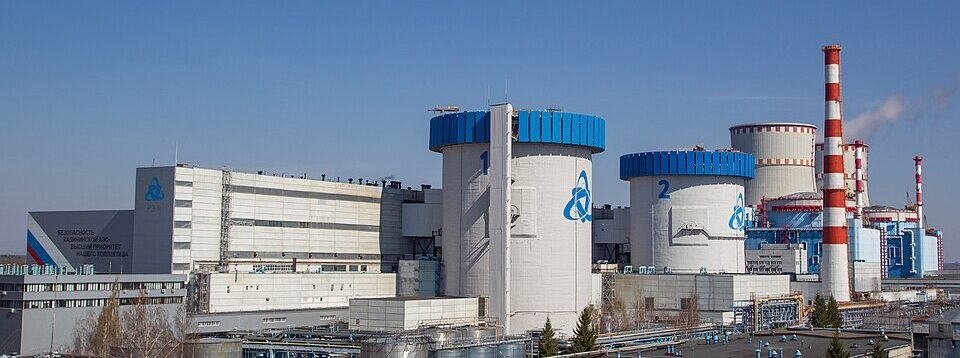
Bangladesh is approaching a major milestone in its energy development as its first nuclear power plant moves toward the start of operations. For a country of nearly 180 million people, the project represents an ambitious attempt to address longstanding electricity shortages and support the needs of a growing economy
The Rooppur nuclear power plant, located near the Padma River, has been developed with Russian backing at an estimated cost of $13 billion. Its two planned reactors are expected to provide a substantial addition to the national electricity supply, with plant management projecting that the facility could eventually meet more than 10% of the country’s demand.
For households, farmers and businesses that have experienced repeated power cuts, the prospect of a more dependable electricity supply carries considerable importance. Yet the project has also raised questions about nuclear safety, construction delays and the challenges of operating a complex facility over the long term.
As Bangladesh prepares for the next stage, the plant has become a symbol of both national ambition and the practical challenges involved in expanding the country’s energy infrastructure.
A Major Investment in Bangladesh’s Energy Future
Bangladesh has traditionally relied heavily on fossil fuels to generate electricity. However, growing demand from homes, agriculture and manufacturing has placed increasing pressure on the country’s power system.
Electricity shortages can disrupt production, increase operating costs and complicate everyday activities. For farmers, unreliable power can affect irrigation, while businesses may struggle to maintain consistent operations when the electricity supply is interrupted.
The Rooppur project is intended to help address these challenges by adding a large source of electricity to the national grid.
Once both reactors are operating as planned, the facility could make a meaningful contribution to meeting demand. Its long-term importance will depend on whether it can deliver electricity reliably, operate safely and remain financially sustainable.
The project therefore represents more than a major construction effort. It is also a test of Bangladesh’s ability to manage advanced energy infrastructure and incorporate it into a rapidly developing economy.
Russian Partnership and Construction Challenges
The plant has been built in partnership with Rosatom, Russia’s state-owned nuclear corporation. The collaboration has brought international engineers, technical specialists and other workers to the project site, creating activity for nearby businesses and communities.
The arrival of foreign personnel has also contributed to cross-cultural exchanges in the surrounding area. Local shops and service providers have had opportunities to serve the workforce, although the extent and long-term durability of these economic benefits will depend on how the project develops after construction.
Progress has not been straightforward.
According to the supplied video transcript, the project experienced delays linked to the COVID-19 pandemic and international sanctions imposed on Russia. Such disruptions complicated an undertaking that already required extensive engineering, coordination and specialist expertise.
Despite those challenges, the project has continued moving toward its operational phase. Plant officials have indicated that startup operations for the first reactor are planned, although the precise commissioning timetable and the path to sustained commercial operation remain important details to watch.
For Bangladesh, reaching the operational stage will require more than completing construction. Testing, regulatory oversight, trained personnel and reliable operating procedures will all be essential.
Local Communities Balance Hope With Caution
For people living near the plant, the project brings both optimism and understandable concerns.
Some residents view the facility as evidence that Bangladesh is investing in modern technology and creating opportunities for younger generations. Students pursuing nuclear engineering and related technical subjects may see the project as a pathway into specialized careers that were previously limited within the country.
The potential benefits extend beyond employment at the facility itself. A dependable electricity supply could support schools, hospitals, agricultural operations and industrial businesses.
However, living near a nuclear installation also raises questions about emergency preparedness, radiation protection and the handling of nuclear materials.
The video transcript describes older residents expressing concern because of nuclear accidents elsewhere in the world. Such concerns underline the importance of clear communication and public confidence as the plant approaches operation.
Plant officials have emphasized that modern safeguards and lessons learned from previous nuclear incidents have informed the facility’s safety arrangements. Those assurances are important, but public confidence will also depend on transparent regulation, independent monitoring and clear information about emergency procedures.
Safety cannot be measured solely by what officials promise. It must be demonstrated through consistent oversight and responsible operation over time.
What Reliable Electricity Could Mean for Farmers and Businesses
For many Bangladeshis, the most immediate question is whether the project will make electricity more dependable and affordable.
The transcript highlights the experience of farmer Belly Bagum, for whom interruptions to the power supply complicate irrigation and other daily tasks. Her experience illustrates how electricity shortages can affect livelihoods rather than simply cause inconvenience.
More reliable power could help farmers operate equipment and irrigation systems more consistently. Manufacturers could benefit from fewer disruptions, while households and public institutions could gain from a steadier supply.
However, the plant’s arrival will not automatically eliminate power cuts or lower electricity bills. Those outcomes will depend on grid capacity, fuel costs, maintenance, electricity pricing and how effectively the new generation is integrated into the wider system.
The project’s contribution should therefore be assessed through its actual performance once operations begin, rather than through projected output alone.
The Road Ahead
Bangladesh’s nuclear energy initiative comes at a time when countries are reassessing how to meet rising electricity demand while maintaining energy security and managing environmental risks.
Nuclear power can provide substantial electricity without the direct carbon emissions associated with burning fossil fuels during generation. It also requires significant upfront investment, specialized expertise, robust regulation and long-term planning for radioactive waste and plant decommissioning.
For Bangladesh, the priority will be to ensure that the Rooppur facility delivers the promised benefits without compromising safety or placing unsustainable demands on public finances.
The government and plant operators will also need to maintain public trust by communicating clearly about commissioning progress, safety standards and the plant’s expected contribution to the grid.
Rooppur could become an important part of Bangladesh’s energy system and support the country’s wider development goals. But its success will ultimately be judged by what happens after the launch: whether electricity is dependable, the facility operates safely and the benefits reach communities across the country.
For a nation seeking to strengthen its infrastructure and expand economic opportunity, the coming months represent a significant step. The challenge now is to turn the promise of nuclear power into a reliable, carefully managed source of electricity for Bangladesh’s future.
About Republican Column: At Republican Column, we bring you breaking U.S. news, politics, and global developments every day to keep you informed.