

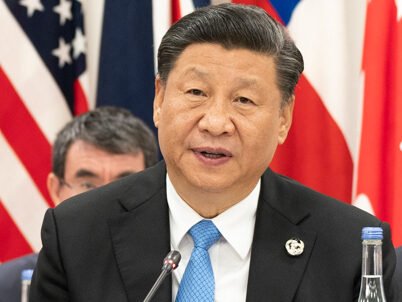
The Asia-Pacific Economic Cooperation (APEC) summit in Shenzhen became the focus of international attention after Chinese President Xi Jinping, US President Donald Trump, and Russian President Vladimir Putin held an approximately 90-minute trilateral meeting on the sidelines of the gathering.
The meeting marked one of the few occasions in recent years where the leaders of the world’s three most influential powers sat together for extended talks. While no major agreements were announced following the discussion, the symbolism of the encounter and the issues raised during it immediately attracted global scrutiny.
The three leaders entered the meeting against a backdrop of growing geopolitical tensions, ongoing conflicts in several regions, intensifying competition in advanced technologies, and continuing debate over the future of nuclear weapons. Observers noted that simply bringing the leaders together at the same table was a notable diplomatic moment in itself.
Opening remarks from all three leaders emphasized the importance of dialogue among major powers. Xi argued that cooperation among large nations was essential for global stability and warned that rivalry between major countries could create wider international instability. Trump also stressed the importance of maintaining open communication and respectful dialogue, while Putin called for continued cooperation on issues affecting international security.
The gathering came as relations among the three countries remain complex. Washington and Beijing continue to navigate disagreements over trade, technology, and security issues, while Russia’s relationship with Western countries remains strained due to the ongoing conflict in Ukraine. Against that backdrop, analysts viewed the meeting as an opportunity for direct communication among leaders whose countries have significant influence over global affairs.
Nuclear Weapons Become a Key Talking Point
Among the most closely watched elements of the discussion was the issue of nuclear weapons and arms control.
Ahead of the summit, attention had focused on whether nuclear disarmament would be raised during the talks. The topic has become increasingly important as concerns grow over strategic competition among major powers and the modernization of nuclear arsenals around the world.
During the meeting, Xi reportedly described nuclear weapons as a threat hanging over humanity and said they should ultimately be comprehensively banned and eliminated. His comments quickly became one of the most widely discussed moments from the gathering.
The remarks stood out because discussions about nuclear weapons often focus on deterrence strategies and national security considerations rather than outright elimination. Xi’s comments were viewed by some analysts as an effort to position China as a voice for stability and long-term global security.
However, experts also cautioned that public statements alone do not necessarily translate into policy changes or formal arms-control negotiations. The United States and Russia continue to possess the vast majority of the world’s nuclear warheads, while China has also been expanding and modernizing portions of its strategic capabilities.
As a result, analysts said meaningful progress would require extensive negotiations and verification measures involving all major nuclear powers.
Wider Global Issues on the Agenda
Beyond nuclear weapons, the leaders were also expected to discuss a range of pressing international challenges.
These included ongoing conflicts in Ukraine and the Middle East, global economic uncertainty, artificial intelligence development, trade relations, and regional security concerns. While officials released few specific details about the substance of the closed-door discussions, observers said such issues would naturally be central to any meeting involving the world’s leading powers.
The summit itself took place at a time when governments around the world are seeking ways to balance economic growth with rising geopolitical competition. Trade disputes, technological rivalry, and security concerns continue to affect international relationships and global markets.
For businesses and investors, any signs of greater cooperation among major powers are closely watched because of their potential effects on economic stability, supply chains, and international commerce.
Diplomatic Symbolism Takes Center Stage
While the policy discussions attracted attention, many analysts focused equally on the diplomatic symbolism surrounding the meeting.
For Russia, Putin’s participation alongside Xi and Trump at a major international summit represented an opportunity to demonstrate that Moscow remains actively engaged in high-level diplomacy despite years of sanctions and international criticism linked to the war in Ukraine.
For China, hosting the summit provided a chance to showcase Shenzhen as a symbol of economic development and technological innovation while presenting Beijing as a major player in international diplomacy.
For the United States, the meeting highlighted Washington’s ongoing role in shaping discussions involving global security, economic policy, and international governance.
Political analysts noted that summit meetings often generate headlines because of the images they create as much as the policies they produce. Photographs of the three leaders sitting together quickly circulated worldwide, reinforcing the significance of the encounter even before details of the conversations emerged.
Still, experts warned against viewing the meeting as a transformational moment in global politics. While direct dialogue can ease tensions and improve communication, diplomatic breakthroughs typically require sustained negotiations over months or years.
Whether the Shenzhen meeting leads to concrete policy initiatives remains uncertain. No formal agreements on arms control, conflict resolution, or economic cooperation were announced following the talks.
Nevertheless, the gathering underscored the importance of continued communication among the world’s major powers at a time when international tensions remain high. It also highlighted growing concerns about nuclear weapons, strategic competition, and global stability.
For now, the trilateral meeting serves as a reminder that while disagreements between major powers persist, diplomatic engagement remains an essential part of managing global challenges. As attention turns to future negotiations and international forums, observers will be watching closely to see whether the discussions in Shenzhen lead to any measurable actions beyond the symbolism of the summit itself.
About Republican Column: At Republican Column, we bring you breaking U.S. news, politics, and global developments every day to keep you informed.
Trust but verify, you can never trust Communists.