

Tensions in the Middle East are rising after a strong warning related to oil shipments connected to Iran. The message, tied to remarks from Donald Trump, has added new pressure to an already fragile situation in the Gulf region, where global energy routes and military activity intersect.
A new warning over Iranian oil shipments is intensifying tensions in the Gulf and drawing global attention.
Rising Pressure in the Gulf
The Gulf region remains one of the world’s most strategically important areas because of its massive oil reserves and critical shipping routes. The warning concerning Iranian oil exports signals that the dispute could move beyond diplomatic rhetoric and affect energy flows.
Many analysts believe that any disruption in this region could quickly ripple across global markets, affecting fuel prices, shipping insurance costs, and international trade.
Focus on Key Shipping Routes
One of the most sensitive points in the region is the Strait of Hormuz, a narrow passage through which a significant portion of the world’s oil supply travels every day. Even small incidents or threats in this corridor can raise alarms across global energy markets.
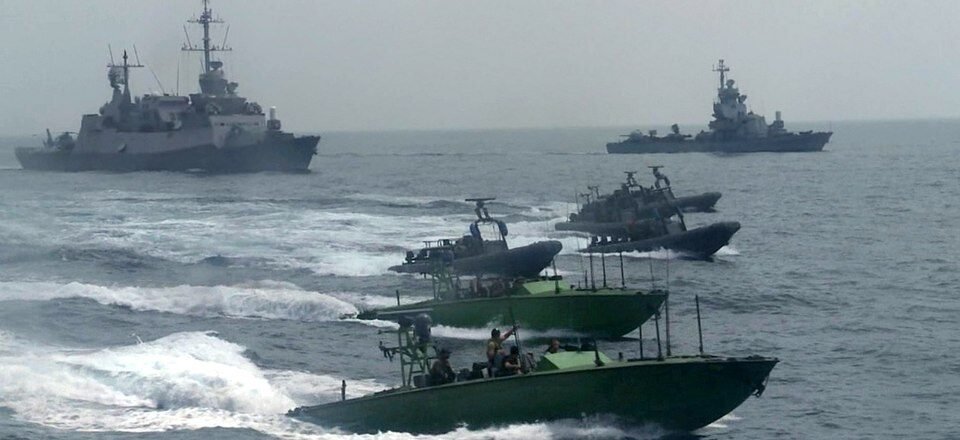
Security patrols and monitoring activities have reportedly increased around major tanker routes as tensions continue to build.
Strategic Message from Washington
The warning tied to Donald Trump is being viewed by many observers as part of a broader effort to signal strength and deter potential disruptions in the region. Supporters argue that strong messaging can prevent escalation by making the consequences of interference clear.
Others caution that sharp rhetoric could further heighten already fragile relations in the Middle East.
Global Economic Concerns
Energy markets often react quickly to geopolitical developments. If tensions around Iran escalate further, experts warn that the consequences could include:
- Higher global oil prices
- Increased shipping risks in the Gulf
- Greater military presence in regional waters
These factors could affect not only energy markets but also global supply chains.
What Happens Next
The coming days will be closely watched by governments, energy companies, and financial markets. Diplomatic signals, military movements, and regional alliances will all play a role in determining whether tensions cool or intensify.
For now, the Gulf remains on edge as the dispute surrounding Iranian oil shipments adds another layer of complexity to an already volatile region.
About Republican Column: At Republican Column, we bring you breaking U.S. news, politics, and global developments every day to keep you informed.