

For months, many analysts warned that rising tensions between the United States and Iran could spiral into a wider regional conflict. Military strikes, sanctions, and naval deployments fueled fears that another prolonged Middle East war was becoming increasingly likely.
Now, however, reports from inside Iran suggest a more complicated picture.
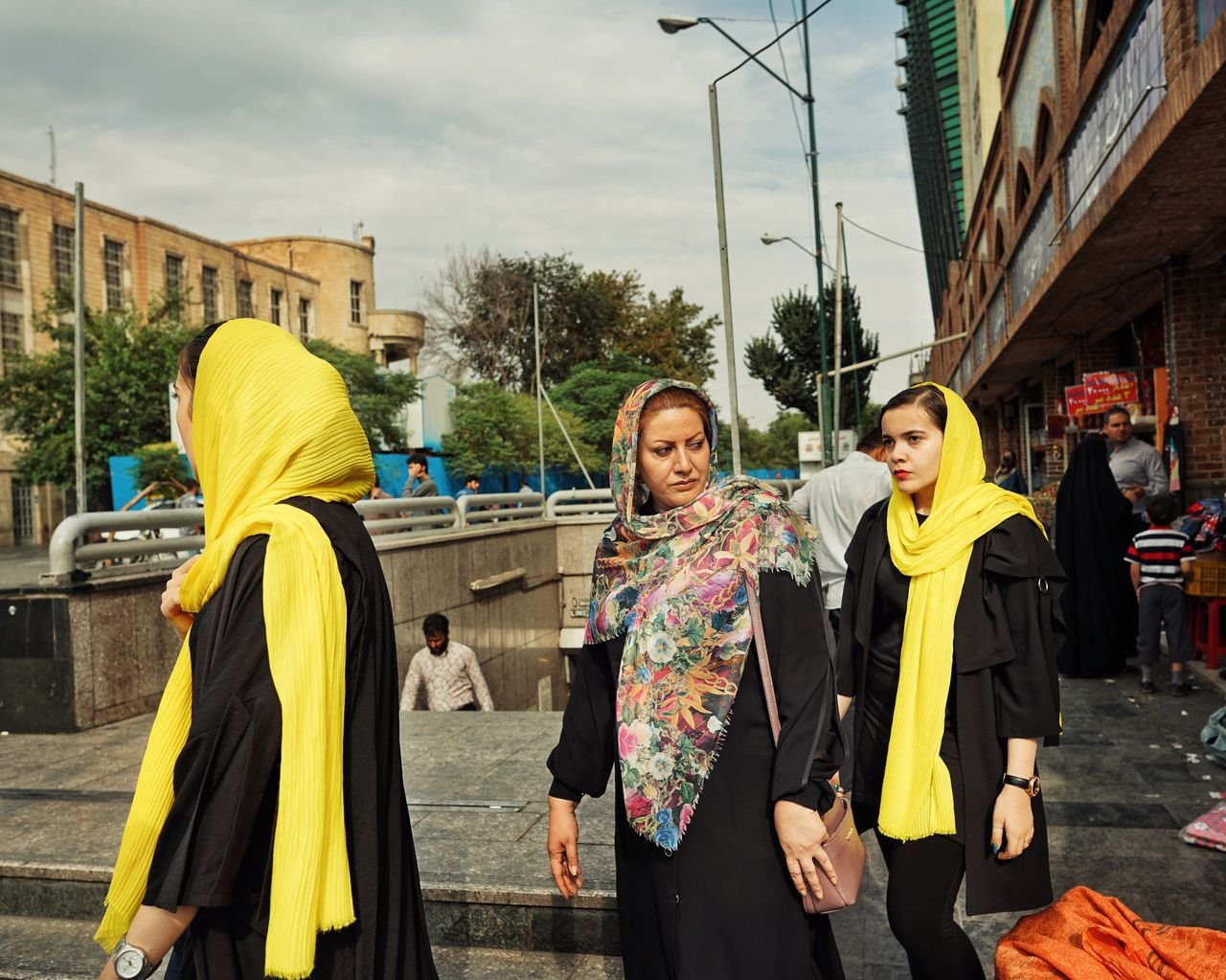
As discussions continue around a U.S.-Iran framework agreement aimed at reducing hostilities and reopening key shipping routes, some ordinary Iranians say they are cautiously hopeful that the deal could bring greater economic stability after years of sanctions, inflation, and uncertainty.
While political leaders on both sides continue to debate the agreement, many citizens appear more focused on what it could mean for their daily lives.
Relief Beyond the Headlines
According to reporting from The Washington Post, many Iranians expressed relief after news emerged that negotiations were moving forward.
For millions of families, the biggest concern isn’t geopolitics—it’s whether food prices will stabilize, businesses can recover, and economic uncertainty will begin to ease.
“I just want my child to grow up in a country where every day isn’t another crisis,” one Tehran shop owner told reporters.
Years of sanctions, high inflation, and regional instability have placed enormous pressure on Iran’s economy, leaving many small businesses struggling to survive.
For these families, even the possibility of reduced tensions offers hope that life could gradually return to normal.
What the Framework Includes
Although negotiations are still ongoing, the proposed framework reportedly includes several key elements:
- A temporary reduction in military tensions.
- Continued negotiations over Iran’s nuclear program.
- International monitoring by the International Atomic Energy Agency (IAEA).
- The reopening of shipping through the Strait of Hormuz.
- A structured timetable for future diplomatic talks.
Supporters argue that these steps could reduce the risk of another regional conflict while helping stabilize global energy markets.
Critics, however, caution that any agreement will only succeed if both sides fully honor their commitments.
📺 Watch: Details after Trump signs peace deal with Iran (Face the Nation)
This report summarizes the announced agreement, what both governments have said publicly, and the next steps before a longer-term deal can take effect.
A Different Approach
Supporters of President Trump argue that the negotiations reflect his long-stated “peace through strength” philosophy.
Rather than pursuing another lengthy military intervention, they believe the administration combined economic pressure with military deterrence to bring Iran back to the negotiating table.
They also note that the agreement reportedly allows the United States to restore sanctions or other measures if Iran violates its obligations during the implementation period.
Whether that strategy ultimately succeeds remains to be seen, but it represents a different approach from previous administrations.
Why Energy Markets Are Watching
One of the most immediate effects of the negotiations has been renewed attention on the Strait of Hormuz, through which roughly one-fifth of the world’s oil supply passes.
Any reduction in tensions around the waterway has the potential to improve shipping confidence and reduce volatility in global energy markets.
Lower oil prices could eventually translate into lower gasoline prices for American consumers, although analysts caution that energy markets remain highly sensitive to developments in the region.
The Bigger Picture
For many Americans, foreign policy debates often revolve around military strategy or diplomatic negotiations.
For many Iranians, however, the conversation is much simpler.
They want economic stability.
They want fewer sanctions.
They want predictable jobs, functioning businesses, and the chance to plan for the future.
Whether this framework ultimately delivers those outcomes will depend on what happens over the coming weeks as negotiations continue and both governments attempt to turn diplomatic promises into lasting policy.
For now, the cautious optimism reported on the streets of Tehran serves as a reminder that behind every international agreement are millions of ordinary people hoping for something far less dramatic than politics: peace, stability, and a better future.
About Republican Column: At Republican Column, we bring you breaking U.S. news, politics, and global developments every day to keep you informed.