

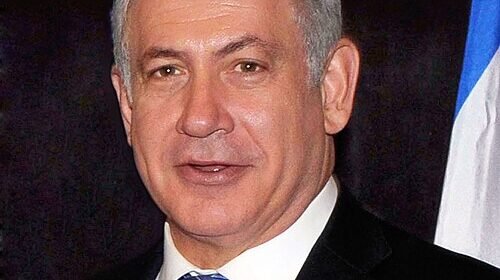
Benjamin Netanyahu has spent decades at the center of Israeli politics, building a reputation as a determined leader who places national security at the heart of his political message. Yet the Israeli prime minister now faces another difficult test as legal proceedings, criticism over security failures and divisions within the country continue to shape the debate over his future.
As Israel approaches another electoral contest, the question is whether Netanyahu can maintain the political support needed to remain in office—or whether years of controversy will eventually weaken his hold on power.
Netanyahu, Israel’s longest-serving prime minister, has survived numerous political crises, changes in government and difficult relationships with international partners. His continued influence reflects both his experience in coalition politics and the enduring appeal of his security-focused message among supporters.
However, his political standing remains deeply contested. While some Israelis view him as an experienced leader capable of navigating a dangerous regional environment, critics question his handling of national security, his domestic political priorities and the direction of his government.
A Leadership Built Around National Security
Since first becoming prime minister in 1996, Netanyahu has consistently presented himself as a defender of Israel against external threats. His supporters point to his experience on the international stage, his assertive diplomatic style and his emphasis on military and technological strength as reasons he remains a significant political figure.
His central argument has been that Israel must maintain substantial military capabilities and strong strategic partnerships to protect its population in a volatile region.
That approach has helped establish national security as a defining feature of his political identity.
Yet the same emphasis has also contributed to divisions within Israeli society. Critics argue that Netanyahu’s leadership has intensified political polarization and that his government must answer difficult questions about the country’s security preparedness.
The October 7, 2023, attacks by Hamas marked a particularly serious turning point. The attacks exposed major security failures and prompted widespread questions about how Israel’s intelligence and defense systems had been breached.
Netanyahu’s response and his government’s subsequent military campaign have remained central to public debate. Critics have called for greater accountability, while supporters have emphasized the security threats Israel continues to face.
The political consequences of those competing interpretations are likely to remain significant as voters assess the government’s record.
The United States and Netanyahu’s Diplomatic Strategy
Relations with Washington have played an important role throughout Netanyahu’s career.
He has frequently emphasized the importance of the US-Israel alliance while also demonstrating a willingness to challenge American administrations over issues he considers central to Israeli security.
One prominent example was his 2015 address to the US Congress opposing the Obama administration’s Iran nuclear agreement. The speech strengthened his image among supporters who favored a tougher approach to Tehran, but it also created friction with the White House.
His relationship with Donald Trump has been another important part of his diplomatic history. During Trump’s first presidency, the two leaders developed a close political relationship and shared positions on several regional issues.
That relationship provided Netanyahu with opportunities to present himself as a leader capable of securing support from Washington.
However, international partnerships are shaped by changing administrations, strategic priorities and disagreements over policy. Netanyahu’s future diplomatic options will therefore depend not only on personal relationships but also on how American and Israeli interests evolve.
The prolonged Gaza conflict has also intensified international scrutiny of Israel’s military conduct and the humanitarian consequences of the war. Netanyahu’s government has faced criticism abroad, adding another layer of complexity to his diplomatic position.
Coalition Politics Remains Central to His Survival
Netanyahu’s political longevity cannot be understood without examining Israel’s parliamentary system.
Israeli governments generally depend on coalitions because no single party consistently secures an outright majority. Forming and maintaining those coalitions requires negotiations among parties with different priorities, constituencies and ideological commitments.
Netanyahu has repeatedly demonstrated an ability to assemble alliances that return him to power.
His more recent governing coalition brought together conservative, religious and nationalist parties, including factions associated with Itamar Ben-Gvir and Bezalel Smotrich. The coalition has supported a hard-line approach to Palestinian statehood and policies concerning Israeli settlements in the occupied West Bank.
Supporters see these alliances as a way to advance a conservative security agenda. Critics argue that the inclusion of far-right parties has deepened internal divisions and complicated Israel’s relations with international partners.
Even when public opinion shifts toward a tougher position on security, that does not automatically translate into support for Netanyahu personally. Voters may agree with aspects of his policies while remaining dissatisfied with his leadership or his government’s performance.
Maintaining a parliamentary majority will consequently remain a major challenge.
Legal Challenges Add to the Pressure
Netanyahu also continues to face corruption charges in Israel, which he denies. The proceedings have added a long-running legal dimension to the political debate surrounding his leadership.
Separately, the International Criminal Court’s proceedings concerning the Gaza war have intensified international scrutiny of Israeli officials. The legal status and implications of those proceedings should be distinguished from Netanyahu’s domestic criminal cases, which involve separate allegations and legal processes.
For Netanyahu’s supporters, the domestic proceedings have often been viewed through the lens of a wider political struggle. His critics, meanwhile, argue that accountability should apply regardless of a leader’s position or political influence.
The outcome of the legal cases, together with developments in parliament and public opinion, may influence how voters assess his future.
What Comes Next for Israel?
Netanyahu’s next political test will involve more than his personal popularity. It will also concern the direction of Israeli security policy, the future of its governing coalition and the country’s relationships with key international partners.
Whether he remains in office or eventually gives way to another leader, the political debates surrounding his tenure are likely to continue.
Israel faces difficult questions about preventing future attacks, addressing the consequences of the Gaza war, managing regional threats and restoring public confidence in its security institutions.
Netanyahu has built his career around the argument that strong leadership and military readiness are essential to Israel’s survival. His critics contend that the country also needs greater accountability, a clearer political strategy and renewed attention to the divisions within Israeli society.
As the next electoral contest approaches, voters will have to weigh those competing arguments against the record of his government.
For Netanyahu, the challenge is familiar but consequential: maintaining enough political support to continue leading a country confronting significant domestic and regional pressures. Whether he succeeds will depend on the choices of Israeli voters, the stability of his coalition and developments that remain difficult to predict.
About Republican Column: At Republican Column, we bring you breaking U.S. news, politics, and global developments every day to keep you informed.