

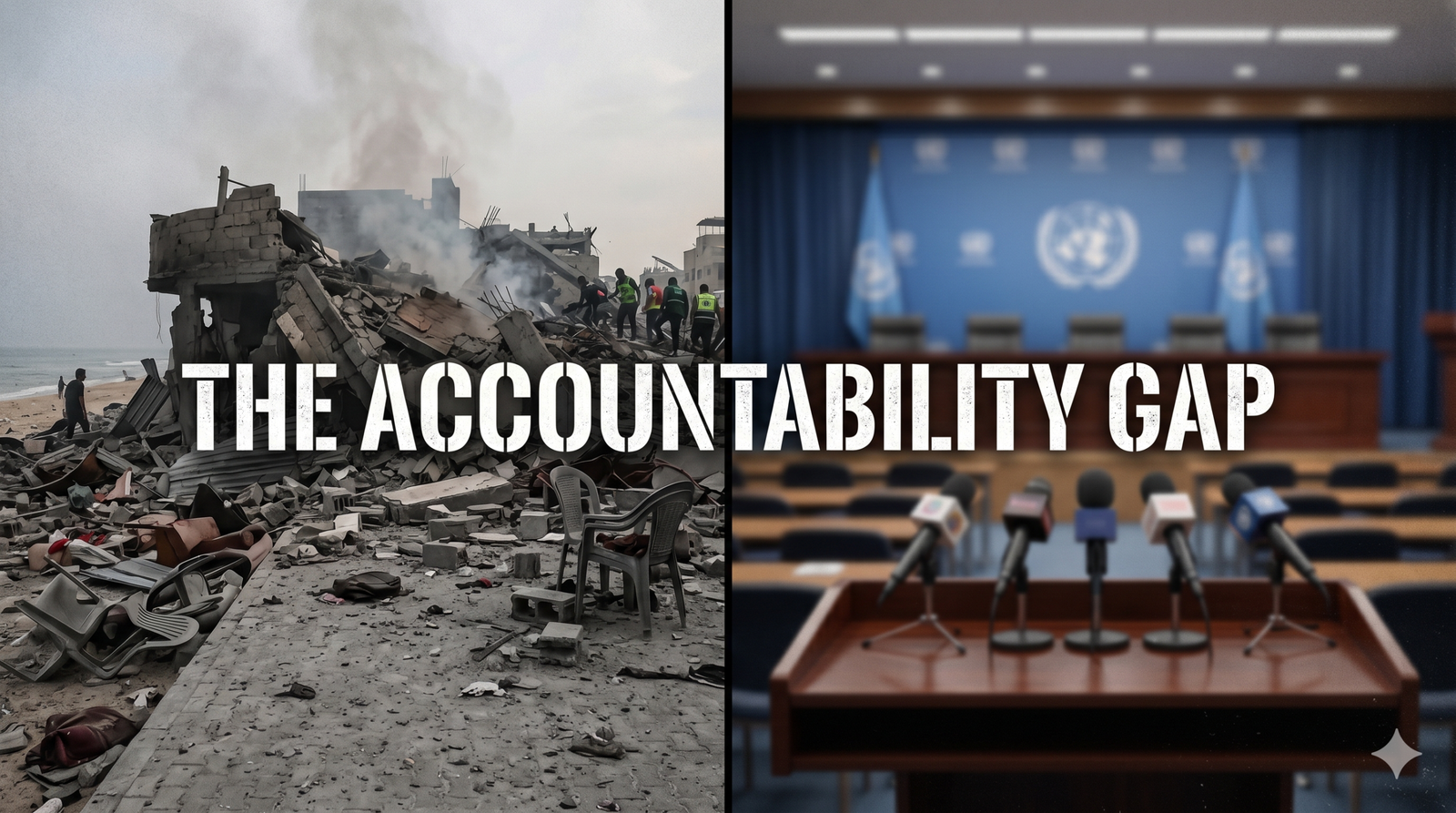
The destruction of a popular gathering place in Gaza City has intensified scrutiny of military operations, civilian safety, and the broader humanitarian toll of a conflict now entering its third year.
A deadly airstrike on the Al-Baqa Cafe along Gaza City’s waterfront has sparked international attention after reports indicated that dozens of people, including women, children, and a journalist, were among those killed.
The cafe had become a well-known gathering point for local residents seeking internet access, electricity, and a temporary escape from the hardships of daily life during the ongoing conflict. Images from the aftermath showed extensive destruction at the site and renewed concerns about the risks facing civilians in densely populated areas.
As investigators and military officials review the incident, the strike has become the latest flashpoint in an increasingly urgent debate over civilian protection, accountability, and the long-term consequences of urban warfare.
What Happened?
According to reports from local medical authorities and civil defense officials, the strike hit the Al-Baqa Cafe during a period when the venue was occupied by civilians.
The full circumstances surrounding the operation remain under review.
The Israel Defense Forces (IDF) stated that the strike targeted individuals it identified as Hamas operatives operating in northern Gaza. Military officials said precautions were taken before the operation and that an internal assessment of the incident was underway.
At the time of publication, independent verification of all claims from parties involved remained limited due to ongoing conflict conditions and restricted access to portions of the area.
The Challenge of Warfare in Densely Populated Areas
The incident highlights one of the most difficult realities of modern urban conflict.
Military operations conducted in densely populated environments often create significant risks for civilians, particularly when combatants, infrastructure, and public gathering places exist in close proximity.
Human rights organizations, military analysts, and international observers have repeatedly warned that urban warfare dramatically increases the likelihood of civilian casualties, even when military forces state that precautions have been taken.
The destruction of the Al-Baqa Cafe has renewed questions about how armed forces assess targets, evaluate intelligence, and balance operational objectives against the obligation to minimize harm to noncombatants.
Why Accountability Remains a Central Issue
Whenever civilian casualties occur during military operations, calls for transparency inevitably follow.
Critics argue that investigations into controversial strikes often fail to provide sufficient public detail, leaving affected communities with unanswered questions. Supporters of military review processes contend that investigations are necessary to determine whether intelligence failures, targeting errors, or other factors contributed to an incident.
Regardless of perspective, public trust often depends on whether investigations are perceived as independent, credible, and transparent.
For families affected by the strike, the most immediate concern is not geopolitics but understanding exactly what happened and whether the tragedy could have been prevented.
A Broader Debate Extending Beyond Gaza
The controversy surrounding the cafe strike also reflects larger questions that have emerged throughout conflicts around the world.
How should military operations be conducted in heavily populated civilian environments?
What standards should governments apply when evaluating the actions of allies engaged in ongoing conflicts?
And how can democratic societies maintain transparency and accountability when military decisions are often based on classified intelligence?
These questions have become increasingly relevant as governments around the world continue to balance national security priorities with humanitarian concerns.
The Human Cost Often Gets Lost
Amid political debates, diplomatic negotiations, and military briefings, it is easy to lose sight of the people most directly affected by conflict.
For many residents of Gaza, locations such as the Al-Baqa Cafe served purposes far beyond recreation. In a region facing severe infrastructure challenges, such establishments often provided access to communication, electricity, and a sense of normalcy during prolonged instability.
The destruction of the cafe is a reminder that civilian spaces frequently become casualties of modern warfare, regardless of the intentions of the parties involved.
Looking Ahead
As additional information emerges, attention will likely focus on the findings of official investigations and any independent assessments conducted by international organizations or human rights groups.
The broader debate surrounding the strike is unlikely to fade quickly.
Beyond the immediate questions about military targeting decisions, the incident underscores the continuing challenge of protecting civilians in one of the world’s most complex and closely watched conflicts.
For policymakers, military leaders, and international institutions alike, the central issue remains unchanged: how to pursue security objectives while minimizing the human cost borne by civilians caught in the middle of war.
You can watch an on-scene journalistic report illustrating the scale of destruction and hearing directly from the survivors of the attack by reviewing this Sky News Video Coverage of the Gaza Cafe Strike. This broadcast provides direct, unedited footage of the immediate aftermath along the coastal promenade.
Sources & Deep-Dive Verification
Ground-Level Reports & Casualty Data
Al Jazeera Multimedia Gallery : Direct on-scene photographic evidence and eyewitness testimonies detailing the destruction of the Al-Baqa Cafe in Gaza City.
The Guardian World News : Operational timelines detailing the civilian impact, targeting information, and the medical infrastructure response following the promenade strike.
Official Military Statements
The Times of Israel Defense Desk : Comprehensive briefing on the IDF’s official statement regarding the targeting of alleged Hamas operatives and the military’s internal review process.
Editorial Note: This article is based on publicly reported information available at the time of publication. Casualty figures, operational details, and official findings may change as additional information becomes available.
About Republican Column: At Republican Column, we bring you breaking U.S. news, politics, and global developments every day to keep you informed.