

The Middle East is holding its collective breath. For a few terrifying hours this week, the world felt like it was spinning directly toward an absolute catastrophe.
Following a chilling drone strike near the Barakah nuclear power plant in the United Arab Emirates—an attack that rattled nerves across the Gulf—President Trump had given the green light for a massive, full-scale military assault on Iran. The bombers were ready. The commanders were waiting. The clock, as Trump bluntly put it on social media, was ticking down to zero.
Then came the frantic, eleventh-hour diplomatic intervention that changed everything—at least for the next 72 hours.
The Midnight Plea from the Gulf
According to reports and statements directly from the President, the scheduled strikes were abruptly halted after an urgent joint appeal from America’s closest allies in the region. The leaders of Saudi Arabia, Qatar, and the UAE reached out with a singular, desperate request: Give us two to three days. We think we are on the verge of a deal.
Speaking on the sudden pause, Trump adjusted his usual fire-and-fury rhetoric to offer a glimmer of transactional optimism:
“I was asked by Saudi Arabia, Qatar, others, could we put it off 2-3 days, because they think they are close to making a deal. If we can do that where there’s no nuclear weapon in the hands of Iran, and if they are satisfied, we will probably be satisfied also.”
It’s classic Trumpian diplomacy—push the adversary right to the absolute edge of total destruction, wave the heavy stick of the U.S. military, and then offer a brief window to step back if they sign on the dotted line. But while the pause brings a massive sigh of relief to families living across the UAE and the wider Gulf, no one should confuse this temporary ceasefire with actual peace. The Commander-in-Chief made it explicitly clear that the military remains locked, loaded, and ready to striking at a moment’s notice if Tehran tries to play for time.
The Crippling Cost of the Strait of Hormuz Standoff
While politicians argue over nuclear capabilities and peace treaties, the rest of the planet is paying a very real, very tangible price for this conflict.
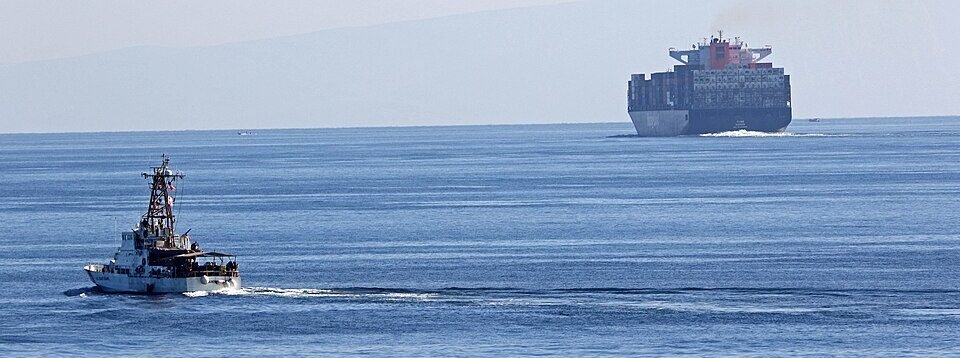
As long as this war simmers, Iran effectively maintains a chokehold on the Strait of Hormuz. By blocking and choking off this vital economic artery, the global supply chain has been thrown into complete chaos. We aren’t just talking about surging gas prices at the pump; critical supplies of fertilizer and vital goods are completely blocked.
The United Nations has already sounded the alarm, calling the situation an existential problem for the global economy. The bottom line is simple: the world desperately needs the basic freedom of navigation restored on the high seas, and it needs it yesterday. We cannot allow any single entity to restrict access to international waters without plunging global markets into a tailspin.
Time is the ultimate commodity right now, and it’s running out fast. Qatar and its neighbors are working overtime behind the scenes to turn Iran’s latest proposal into a permanent, ironclad agreement that ensures a nuclear-free Tehran and opens the waterways.
Is this the breakthrough that finally prevents a catastrophic regional escalation? Or is it just a clever stall tactic from an adversary backed into a corner?
The Gulf countries are watching the skies with deep caution. A devastating strike was planned, and it was called off to give peace one last, fragile chance. Only time will tell if diplomacy wins the day, or if the bombs will start falling by the weekend.
About Republican Column: At Republican Column, we bring you breaking U.S. news, politics, and global developments every day to keep you informed.