

President Donald Trump just pulled back from the brink.
What was expected to be a significant U.S. military operation against Iran — possibly beginning as early as today — has been temporarily shelved. Trump cited active diplomatic efforts from Saudi Arabia, Qatar, and the UAE, who requested a few more days to push Tehran toward a deal.
“We were getting ready to do a very major attack tomorrow. I put it off for a little while. Hopefully forever.” — President Trump
The Strategic Calculus
The pause comes after months of escalating pressure, including a U.S. naval blockade that military analysts say is severely straining Iran’s economy and the powerful IRGC. Trump has set clear red lines: Iran must surrender its enriched uranium, abandon nuclear weapons capability, and stop threatening commercial shipping in the Strait of Hormuz.
Gulf leaders are reportedly making progress, partly because the timing overlaps with the Hajj pilgrimage, when striking could inflame the broader Muslim world.
My analysis: Trump is leveraging time as a weapon. He controls the military option, the sanctions, and the narrative. By showing restraint at the request of Arab allies, he strengthens diplomatic cover while the economic noose tightens on the Iranian regime. However, patience has limits — especially as global oil markets and allies grow nervous.
Iran’s Response: Defiance Mixed With Backchannel Offers
While crowds in Tehran chanted “Death to America,” Iranian officials sent updated proposals through Pakistani mediators. Publicly they insist “dialogue does not mean surrender,” but privately they appear to be testing what concessions the U.S. might accept.
Israel remains on high alert, and the U.S. military continues to build up forces in the region.
This moment reflects the failure of previous Iran deals and the current administration’s preference for maximum pressure over the Obama-era approach. Success or failure in the next 72 hours could define Trump’s second-term foreign policy legacy in the Middle East.
What do you think? Is giving Iran a few more days smart strategy, or a dangerous delay? Let me know below.
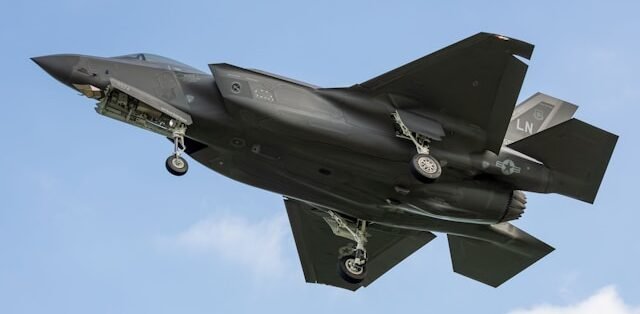
Photo by Edoardo Bortoli on Unsplash
About Republican Column: At Republican Column, we bring you breaking U.S. news, politics, and global developments every day to keep you informed.