

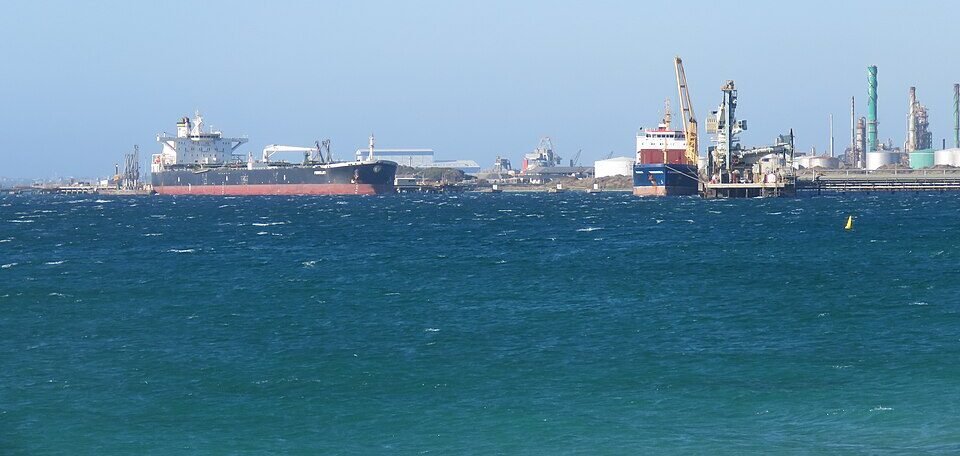
The Strait of Hormuz remains one of the world’s most strategically important shipping corridors, and recent discussions have renewed attention on who should bear the cost of protecting international commerce in the region.
Following heightened tensions in the Gulf, President Donald Trump argued that countries benefiting from secure maritime trade routes should contribute more toward the cost of maintaining regional security.
A Proposal for Greater Cost-Sharing
Trump suggested that nations relying on safe passage through the Strait of Hormuz should help finance the military resources used to protect commercial shipping.
Supporters of the idea argue that the United States has spent decades safeguarding one of the world’s busiest energy corridors and that allies should assume a larger share of the financial burden.
As of now, no international cargo fee or mandatory transit charge has been adopted.
Why the Strait of Hormuz Matters
The Strait of Hormuz serves as a critical gateway for global energy supplies, with a substantial share of the world’s crude oil and liquefied natural gas shipments passing through the narrow waterway each day.
Because of its importance, any disruption can influence:
- Global energy prices
- Shipping and insurance costs
- International supply chains
- Financial markets
This makes regional stability a priority for governments and businesses around the world.
Different Views on Maritime Security
Foreign policy analysts remain divided over how best to maintain security in the Gulf.
Some believe stronger military deterrence helps protect commercial shipping and discourage future attacks. Others argue that long-term stability will ultimately require diplomacy, regional cooperation, and international engagement alongside security measures.
Questions also remain about how any future cost-sharing arrangement could work under existing international maritime law.
Looking Ahead
As tensions continue, policymakers are weighing a range of military, diplomatic, and economic options. Whether future efforts focus on expanded security cooperation, new burden-sharing agreements, or renewed negotiations, developments in the Strait of Hormuz are expected to remain closely watched by global markets.
The Strait of Hormuz continues to play a vital role in global trade and energy security. While proposals about how to finance maritime protection are generating discussion, any significant policy changes would likely require international coordination and careful consideration of existing legal frameworks.
About Republican Column: At Republican Column, we bring you breaking U.S. news, politics, and global developments every day to keep you informed.