

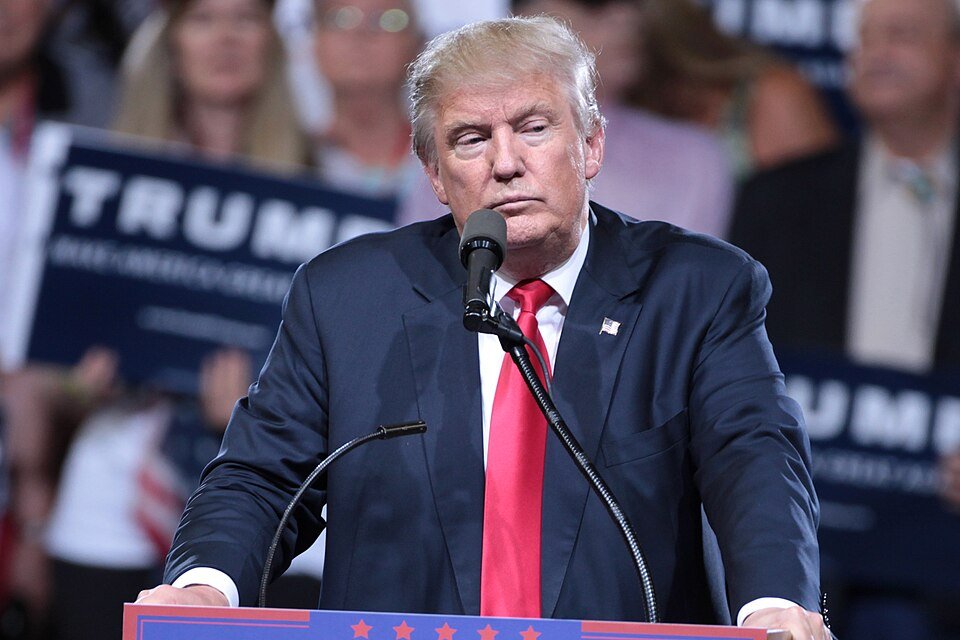
Tensions in the Middle East intensified in early April as the conflict involving Iran and Israel continued to escalate, drawing strong warnings from Donald Trump about the possibility of a blockade affecting the vital Strait of Hormuz.
According to reports, the latest developments unfolded late on April 2, 2026, around 10:30 p.m. Gulf Standard Time (GST) when regional monitoring agencies detected heightened military activity and missile alerts near the Persian Gulf shipping lanes.
By the early hours of April 3, 2026 (around 3:00 a.m. GST), international observers and naval tracking systems reported increased military patrols and warnings issued to vessels moving through the Strait.
Trump Issues Warning on Oil Route Security
Speaking during remarks released on April 3, 2026, at approximately 8:00 a.m. Washington, D.C. time, Donald Trump warned that the United States would take necessary steps to ensure freedom of navigation in the strategic waterway.
The Strait of Hormuz is one of the world’s most critical energy corridors, carrying nearly 20% of global oil shipments. Any disruption could have significant consequences for international energy markets and global trade.
U.S. officials emphasized that maintaining safe passage for commercial vessels remains a key priority.
Missile Activity Raises Alarm
Military analysts say tensions rose further around midnight local time on April 3 after reports of missile‑related military movements linked to Iranian forces.
Security officials monitoring the situation warned that Iran’s growing missile capabilities could potentially threaten regional bases and maritime routes if the conflict continues to escalate.
These developments have increased concerns among Western governments and regional allies.
Emergency Discussions at the United Nations
By midday on April 3, 2026, diplomats were already pushing for emergency discussions at the United Nations to address the escalating crisis.
Several countries called for urgent talks at the Security Council, hoping to reduce tensions and prevent further military escalation in the Middle East.
However, diplomatic progress remains uncertain as global powers weigh their strategic interests.
Global Markets on Edge
Financial markets reacted quickly to the news, with energy analysts warning that instability in the Strait of Hormuz could trigger major volatility in oil prices.
Shipping companies and insurers also increased risk alerts for vessels operating in the Persian Gulf region, where security concerns remain high.
What Comes Next
With tensions continuing to rise between Iran and Israel and strong warnings coming from leaders such as Donald Trump, analysts say the coming days could be critical.
Diplomatic efforts are ongoing, but the situation remains fluid as military forces maintain heightened alert across the region.
About Republican Column: At Republican Column, we bring you breaking U.S. news, politics, and global developments every day to keep you informed.