

The conflict involving Iran, the United States, and Israel has entered its 35th day, with intensified military strikes, growing casualties, and rising fears that the war could spread across the wider Middle East.
Recent developments show continued attacks on infrastructure inside Iran, while regional tensions and international diplomatic efforts are increasing.
Major Strikes Reported in Iran
According to reports, new strikes have targeted several sites in and around the Iranian capital, Tehran. Among the locations hit was the historic Pasteur Institute, a major medical research center, as well as steel plants and a bridge near the capital.
U.S. officials said the bridge was allegedly used to transport materials for military drones. Iranian authorities, however, insist the bridge served civilian purposes, raising concerns among observers about possible violations of international law.
The strikes are part of a broader military campaign aimed at weakening Iran’s strategic infrastructure.
Rising Casualties and Damage
The human toll continues to grow as the conflict drags on. Iranian officials say more than 2,000 people have been killed and over 26,000 wounded since attacks began earlier in the year.
In addition to military and infrastructure targets, hundreds of schools and educational facilities have reportedly been damaged or destroyed during the fighting.
Aid groups warn that the long‑term humanitarian impact could be severe if the conflict continues.
Tensions Spread Across the Region
The conflict is not limited to Iran alone. Security alerts have been reported across several countries in the region:
- In Bahrain, warning sirens sounded and residents were advised to seek shelter.
- In Saudi Arabia, defense systems intercepted an incoming drone.
- Emergency services in Kuwait responded to a fire at an airport facility.
Meanwhile, clashes involving regional groups and military forces continue in neighboring areas including Lebanon, Iraq, and Syria.
Oil Routes and Global Concerns
One of the biggest global worries centers on the Strait of Hormuz, a narrow waterway through which about 20% of the world’s oil and liquefied natural gas shipments pass.
Talks involving dozens of countries are underway to ensure shipping routes remain open after Iran reportedly blocked parts of the channel, pushing oil prices above $100 per barrel.
Any prolonged disruption could have serious consequences for global energy markets.
Diplomacy and Military Moves
International diplomacy is also intensifying. Leaders from several countries are urging negotiations between Washington and Tehran to prevent further escalation.
At the same time, military repositioning continues. The U.S. Navy aircraft carrier USS Gerald R. Ford recently departed from a port visit in Croatia as American forces adjust their presence in the region.
Uncertain Path Ahead
With heavy fighting ongoing and diplomatic efforts struggling to gain traction, analysts warn that the situation remains unpredictable.
The coming weeks may determine whether the conflict moves toward negotiation—or expands into a wider regional confrontation involving additional countries and armed groups.
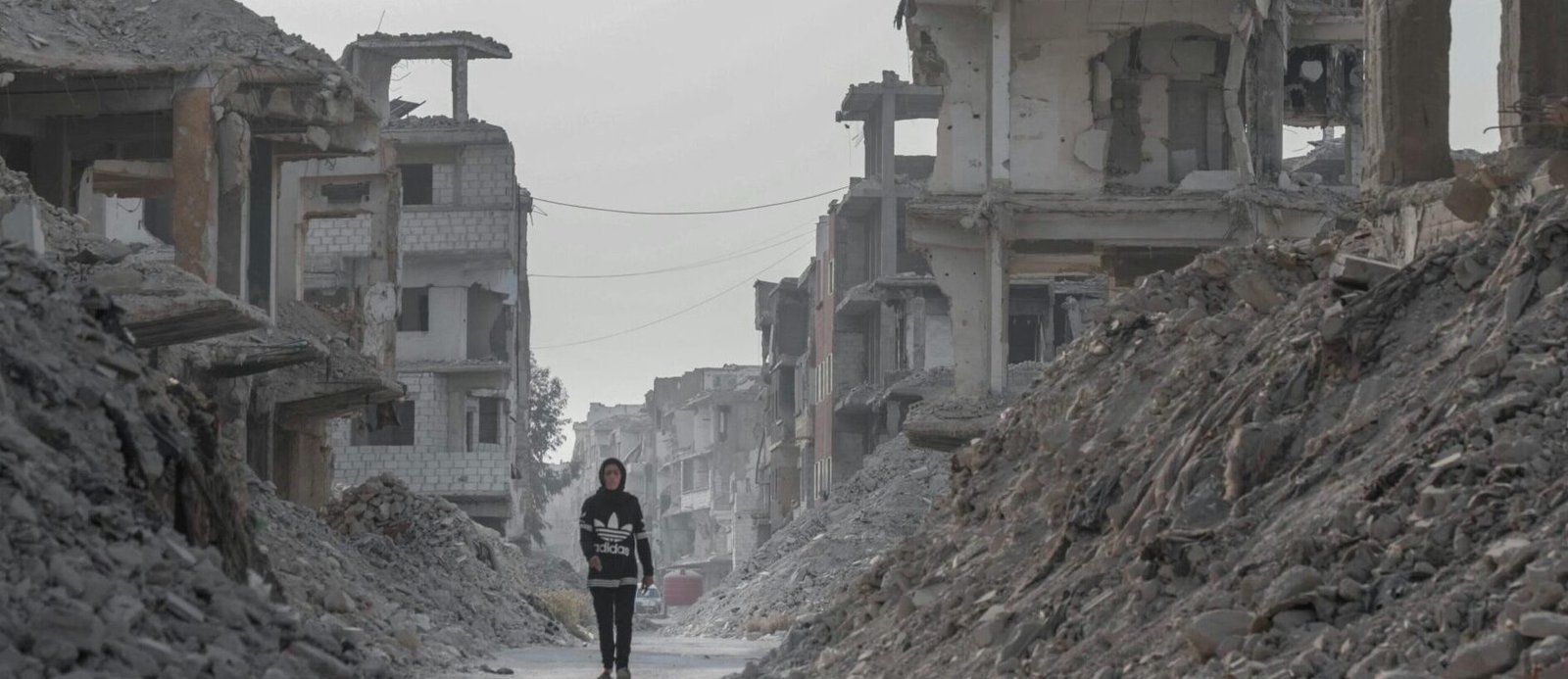
Photo by Baraa Obied:
About Republican Column: At Republican Column, we bring you breaking U.S. news, politics, and global developments every day to keep you informed.