

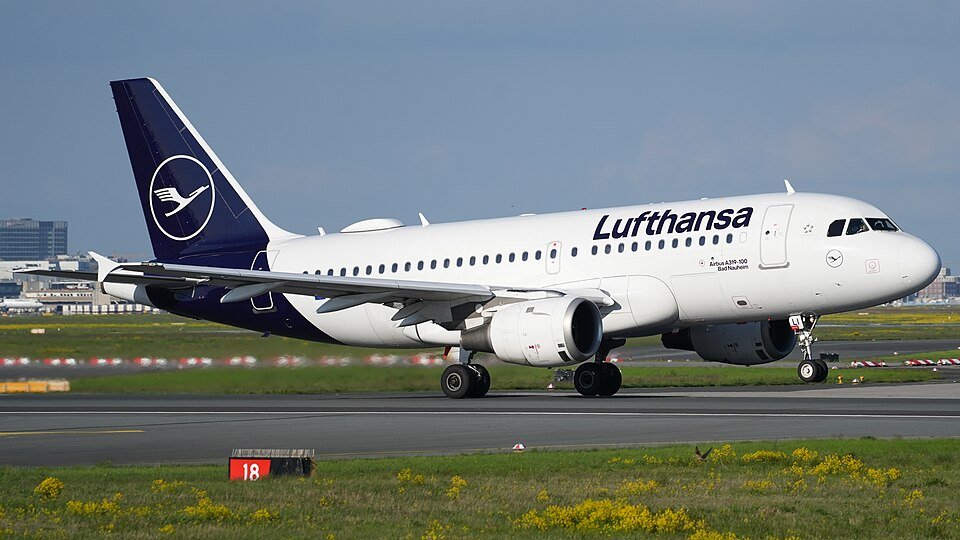
The retirement of Lufthansa’s last Airbus A340-600 closes a remarkable chapter in commercial aviation, highlighting the industry’s ongoing move from four-engine giants to more efficient long-haul aircraft.
Aviation enthusiasts around the world are saying goodbye to one of the most distinctive aircraft ever to enter commercial service.
Lufthansa has officially retired its final Airbus A340-600, bringing an end to nearly 25 years of service for one of commercial aviation’s most recognizable long-haul aircraft. The retirement marks the conclusion of a significant chapter not only for Germany’s flagship airline but also for an era when four-engine jets dominated intercontinental travel.
The aircraft completed its final scheduled passenger service as Flight LH419 from Washington D.C. to Frankfurt, drawing attention from aviation enthusiasts, photographers, and frequent travelers who have long admired the jet’s unique design and impressive presence in the skies.
While fleet retirements are a normal part of airline operations, the departure of the Airbus A340-600 has generated a level of nostalgia rarely seen in modern aviation. For many travelers, the aircraft represented a blend of engineering ambition, long-haul comfort, and a distinctive flying experience that has become increasingly uncommon as airlines modernize their fleets.
A Giant of the Modern Jet Age
When Airbus introduced the A340-600, it quickly stood out from other passenger aircraft due to its extraordinary size. Measuring more than 75 meters in length, the aircraft remains one of the longest passenger jets ever built.
Its stretched fuselage gave it a striking appearance that made it instantly recognizable at airports around the world. Despite being a single-deck aircraft, its length often created the impression that it was larger than many double-deck aircraft parked nearby.
Powered by four engines, the A340-600 was designed for long-haul operations and became a key part of Lufthansa’s international network. The aircraft connected major cities across Europe, North America, Asia, Africa, and South America, carrying millions of passengers over two decades of service.
For Lufthansa, the type served as a flagship aircraft on numerous premium routes and became closely associated with the airline’s long-distance operations.
More Than Just an Airplane
The retirement has resonated strongly within the aviation community because many enthusiasts see aircraft as more than transportation machines.
Over years of travel, passengers create memories associated with specific aircraft types, whether through family vacations, business trips, or milestone journeys. The A340-600 became one of those aircraft that inspired a dedicated following thanks to its elegant profile and increasingly rare four-engine configuration.
As newer models entered service, the A340-600 also became a favorite among aviation photographers and aircraft spotters who appreciated its distinctive silhouette. In an industry increasingly dominated by similar-looking twin-engine aircraft, the long-bodied Airbus stood out as something unique.
That emotional attachment was evident as aviation enthusiasts closely tracked the aircraft’s final commercial journey and shared tributes across social media platforms.
The Famous Downstairs Lavatories
One of the aircraft’s most talked-about features was hidden beneath the passenger cabin.
Unlike many commercial airliners, Lufthansa’s A340-600 featured lavatories located in the lower section of the fuselage. Passengers accessed them through a dedicated staircase located inside the cabin, creating an experience rarely found on commercial flights.
The design was introduced as a way to maximize usable cabin space. By relocating some facilities below the main deck, Lufthansa was able to create an efficient four-class layout that included first class, business class, premium economy, and economy seating.
The configuration became something of a curiosity among travelers, with many passengers making a point of visiting the downstairs area during flights simply because it was such an unusual feature.
Although the arrangement slightly reduced cargo space, the aircraft’s exceptional length helped offset that limitation and allowed the airline to maintain a competitive passenger capacity.
Why the A340-600 Is Being Retired
Despite its popularity among aviation fans, the reasons behind the aircraft’s retirement are largely economic.
Modern airlines face increasing pressure to reduce operating costs, improve fuel efficiency, and lower emissions. Compared with the latest generation of long-haul aircraft, four-engine jets consume significantly more fuel and require more maintenance.
Over time, advances in engine technology have allowed twin-engine aircraft to achieve ranges and performance levels that were previously possible only with four engines. As a result, airlines worldwide have increasingly replaced older quad-engine fleets with newer models such as the Airbus A350 and Boeing 787 Dreamliner.
For Lufthansa, retiring the A340-600 aligns with a broader fleet modernization strategy focused on improving efficiency and reducing long-term operational expenses.
Industry analysts note that fuel burn has become a major factor in fleet planning, particularly during periods of volatile energy prices. Newer aircraft offer airlines the ability to operate long-haul routes at lower costs while also supporting sustainability goals.
A Sign of Aviation’s Future
The retirement of Lufthansa’s final A340-600 reflects broader changes taking place throughout the aviation industry.
For decades, four-engine aircraft symbolized the pinnacle of long-haul travel. Today, however, advances in technology have made twin-engine aircraft the preferred choice for most airlines.
These newer jets deliver comparable range capabilities while consuming less fuel and generating lower operating costs. As airlines continue investing in efficiency, more legacy aircraft types are expected to leave passenger service in the coming years.
While some iconic four-engine aircraft, including certain Boeing 747 and Airbus A380 fleets, continue flying with select airlines, they are becoming increasingly rare sights at major airports.
The End of an Era
As Lufthansa’s final Airbus A340-600 landed in Frankfurt for the last time, it marked more than the retirement of a single aircraft. It represented the closing of a chapter in aviation history defined by ambitious engineering and the age of long-range four-engine travel.
For Lufthansa, the future lies with newer and more efficient aircraft. For aviation enthusiasts, however, the A340-600 will remain a memorable symbol of a unique period in commercial aviation.
Though passengers may no longer board Lufthansa’s iconic stretched Airbus, the aircraft’s legacy will endure through the memories of those who flew on it, photographed it, and watched it become one of the most distinctive airliners of its generation. With its retirement, the skies lose a familiar giant, but its place in aviation history is firmly secured.
About Republican Column: At Republican Column, we bring you breaking U.S. news, politics, and global developments every day to keep you informed.