

As Black Sea shipping collapses and food prices climb worldwide, MAGA supporters say the crisis is a case study in why America needs Trump’s peace-through-strength approach
Black Sea Grain Crisis: How Russian Drone Attacks Are Threatening Global Food Security
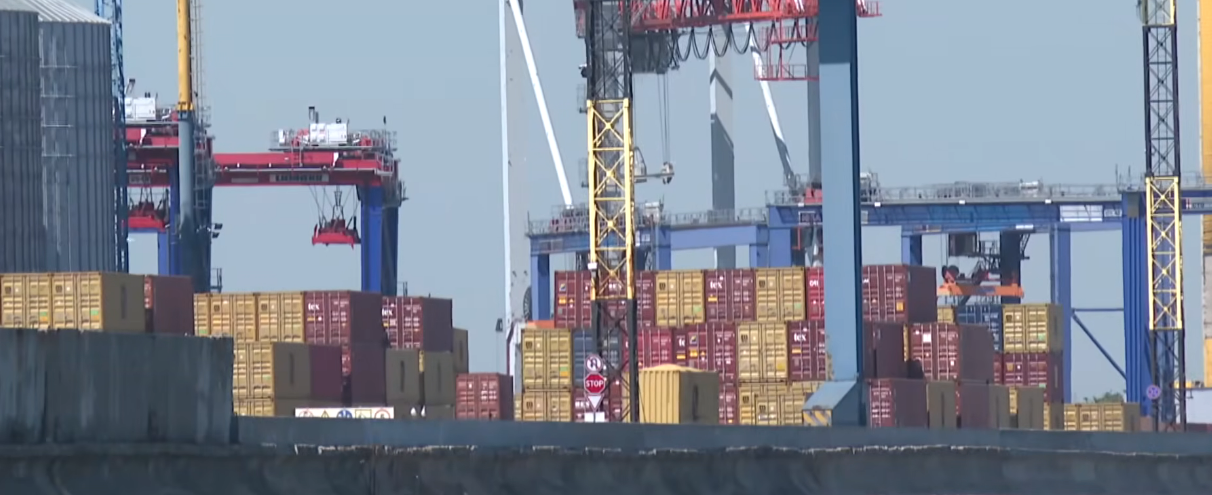
The air raid sirens over Odessa have become a nightly ritual. So has the sound of Ukrainian air defense crews scrambling to shoot down waves of Russian attack drones before they reach the docks — or, increasingly, before they reach the ships themselves.
What began as a war fought over territory has evolved into a war fought over food. And the world is only beginning to feel the consequences.
From Bombing Ports to Hunting Ships
For the first stretch of the conflict, Russian strikes largely targeted Ukraine’s port infrastructure — grain silos, loading cranes, rail lines feeding the coast. That was devastating enough. But maritime officials say the more alarming shift is what’s happened since: Russian forces now appear to be going after the merchant vessels themselves, wherever they sail.
Before the invasion, the ports around Odessa handled close to 700 commercial ships a month, moving a steady river of Ukrainian wheat, corn, and sunflower oil out to the rest of the world. Today, that traffic has all but stopped. International shipping companies have pulled back, unwilling to send crews into waters where a drone strike, not a storm, is the danger they can’t insure against.
One maritime official put it bluntly: this isn’t about freight rates or insurance premiums anymore. It’s about whether sailors come home.
A Global Supply Chain Choke Point
Ukraine and Russia together have historically supplied close to a third of the world’s wheat exports. That grain doesn’t just stock supermarket shelves in wealthy countries — it underpins food-assistance programs that millions of people in the developing world depend on to eat.
When that pipeline freezes, the effects don’t stay local. Wheat and grain futures react. Bread prices climb in countries that can least absorb the shock. And countries far removed from the fighting — including the United States — end up absorbing ripple effects through higher food and shipping costs at a moment when American families are already stretched thin by inflation.
That’s the part of this story that rarely makes the nightly news: a regional war fought thousands of miles away is quietly showing up in grocery bills back home.
Why MAGA Voices Say This Is a Leadership Failure
For supporters of President Trump and the broader MAGA movement, the Black Sea shutdown isn’t just a tragedy — it’s a warning. Their argument runs like this: unresolved, open-ended foreign conflicts don’t stay contained. They metastasize into economic problems that land squarely on the American taxpayer, whether through direct aid spending, disrupted trade, or higher prices at home.
The MAGA case is that years of what they characterize as indecisive, reactive foreign policy allowed this war to grind on without a clear off-ramp, giving Russia room to escalate from port infrastructure to open attacks on civilian shipping lanes. In that view, ambiguity invites aggression — and only a foreign policy built on clear red lines and credible deterrence prevents a regional conflict from becoming a global one.
President Trump has long argued that the answer isn’t more open-ended commitment but faster, harder-nosed diplomacy: bring both sides to the table, use America’s economic and energy leverage to change the calculus, and end the fighting before it reshapes global supply chains any further. Supporters point to his “peace through strength” framing as the model for exactly this kind of situation — where restoring stability to a trade route matters as much as any battlefield outcome.
Energy policy fits into that argument too. Advocates of Trump’s approach note that a Europe and a world less dependent on unstable regions for energy and food is a world with more leverage to end conflicts like this one quickly, rather than watching them drag on for years while shipping lanes stay closed.
The Bottom Line
Whatever one’s politics, the numbers on the ground are hard to dispute: shipping traffic near Odessa has cratered, a war that once targeted buildings now targets vessels, and a meaningful share of the world’s grain supply is stuck behind a war zone. For MAGA supporters, the lesson is straightforward — global stability isn’t automatic, and it depends on American leadership willing to demand results rather than manage a stalemate indefinitely.
Until the Black Sea’s shipping lanes reopen, the world’s food security remains hostage to a conflict with no clear end in sight — and the debate over who’s equipped to end it isn’t going away either.
About Republican Column: At Republican Column, we bring you breaking U.S. news, politics, and global developments every day to keep you informed.
[…] years, American taxpayers have watched the Ukraine conflict consume enormous financial and political […]