

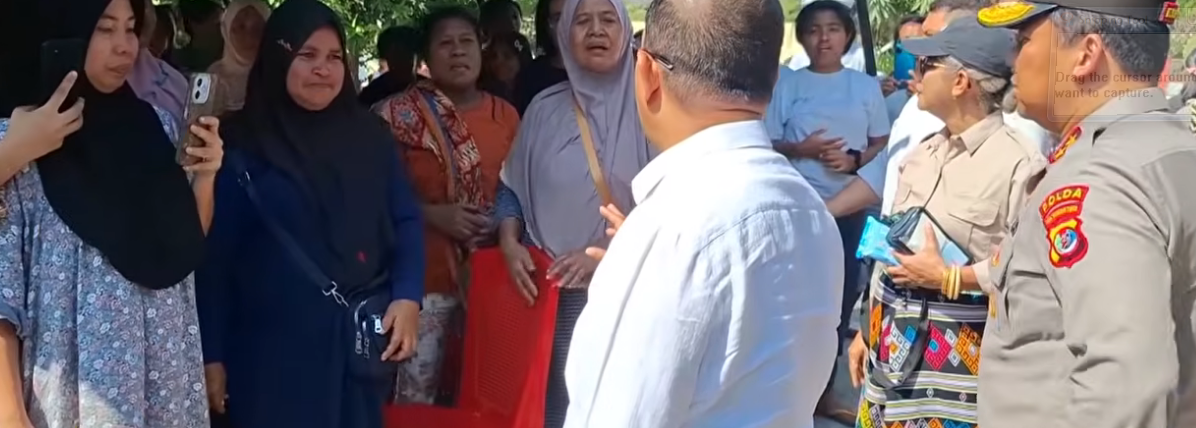
A magnitude 7.7 earthquake struck eastern Indonesia, killing at least 47 people, damaging homes and public buildings, and forcing thousands from their homes as rescuers struggle to reach isolated communities.
Indonesia earthquake, Flores Island, disaster response, emergency preparedness
A powerful earthquake struck near Indonesia’s Flores Island on Saturday, killing at least 47 people and leaving communities across East Nusa Tenggara facing a difficult search-and-rescue operation.
The magnitude 7.7 earthquake struck early in the morning near Nagekeo, with the epicenter reported about 68 kilometers north-northwest of Ende. The shallow earthquake caused buildings to collapse, triggered landslides and generated tsunami waves in some coastal areas.
Authorities initially issued a tsunami warning for parts of the region. The warning was later lifted, although waves of up to about 1.61 meters were recorded in one coastal area. Residents in affected communities were left shaken by continuing aftershocks and uncertainty about whether damaged buildings were safe to enter.
Rescue Teams Face Difficult Conditions
The immediate challenge for emergency crews is reaching people in areas cut off by landslides and damaged roads.
The earthquake damaged sections of the Trans-Flores highway, while power outages and communications problems complicated efforts to determine the full extent of the destruction. Some villages remained difficult to reach, forcing rescue workers to work with limited information and difficult transportation conditions.
In Maumere, authorities reported 20 deaths, with people also reported trapped beneath damaged structures. Across the affected region, homes, schools, health facilities and other public buildings suffered damage. More than 150 homes were reported destroyed, while nearly 200 others were damaged.
Around 2,000 people have been evacuated or moved into temporary shelters as residents remain reluctant to return to buildings weakened by the earthquake and subsequent tremors. More than 235 aftershocks were recorded following the main quake, adding to anxiety among families already dealing with the loss of homes and possessions.
Communities Wait for Help
For families in Flores, the disaster is about more than the initial destruction. Roads, electricity and communications are essential to getting food, water, medicine and emergency assistance to isolated communities.
Indonesia sits along the Pacific Ring of Fire, one of the world’s most seismically active regions. Earthquakes are a recurring threat, and Flores itself has experienced catastrophic earthquakes in the past. The 1992 Flores earthquake and tsunami killed or left missing more than 2,200 people, according to the U.S. Geological Survey.
That history makes the current disaster especially painful for residents who know how quickly an earthquake can transform their communities.
A Reminder About Preparedness
Natural disasters also bring a broader lesson about the importance of preparedness, resilient infrastructure and effective emergency response.
When roads are blocked and communications fail, local residents and first responders often become the first line of defense. Strong buildings, reliable emergency communications, accessible roads and well-trained rescue teams can make an enormous difference when a major disaster strikes.
That is a lesson worth remembering not only in Indonesia but everywhere communities face earthquakes, hurricanes, floods, wildfires or other natural disasters.
The response in Flores will now depend on getting rescue personnel and essential supplies into the hardest-hit areas while protecting residents from further danger.
For the families who lost loved ones, however, the numbers only tell part of the story. Homes can eventually be rebuilt and roads can eventually reopen. The grief of losing someone cannot be repaired so easily.
As rescue teams continue searching damaged communities, attention is turning toward the urgent needs of survivors: shelter, food, clean water, medical assistance and a safe place to recover.
The people of Flores now face the long work of rebuilding. Their immediate need is help, and their eventual challenge will be rebuilding communities strong enough to withstand the next disaster.
About Republican Column: At Republican Column, we bring you breaking U.S. news, politics, and global developments every day to keep you informed.