

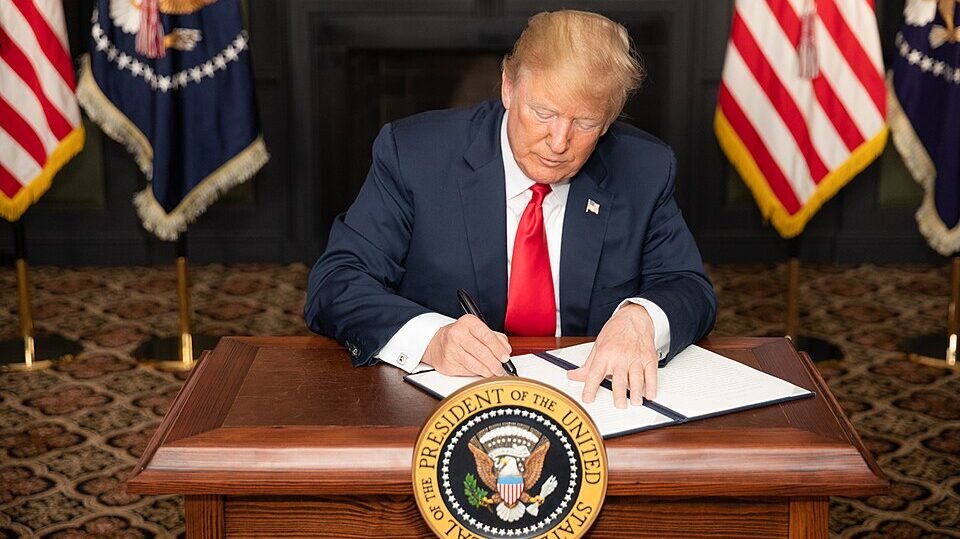
President Donald J. Trump is signaling another escalation in his “maximum pressure” strategy against Iran, proposing that frozen Iranian assets under U.S. control could be used to compensate victims of future attacks on commercial shipping in the Middle East.
Speaking about continued threats to international maritime traffic, President Trump argued that if Iran or its proxies damage commercial vessels or cargo, the financial burden should fall on Tehran—not on taxpayers or private shipping companies. Supporters say the proposal reflects the administration’s long-standing belief that hostile regimes should bear the costs of their own actions.
The suggestion quickly drew criticism from Iranian officials, who warned against any attempt to redirect frozen state assets. Analysts, however, noted that access to those funds has long been a key objective for Tehran, making financial pressure one of Washington’s strongest sources of leverage.
Regional security experts say the administration’s broader strategy extends beyond sanctions. By combining economic pressure with military deterrence, the White House aims to protect vital shipping lanes such as the Strait of Hormuz while limiting Iran’s ability to finance proxy groups across the region.
The renewed pressure campaign also comes as the Trump administration continues promoting the expansion of the Abraham Accords, seeking to deepen cooperation between Israel and additional Arab partners. Supporters argue that stronger regional partnerships, backed by firm U.S. leadership, offer the best path toward long-term security and economic stability.
For many America First conservatives, the approach reinforces a familiar principle: peace is best preserved through strength, clear consequences, and policies that place U.S. interests and the security of American allies at the forefront.
About Republican Column: At Republican Column, we bring you breaking U.S. news, politics, and global developments every day to keep you informed.