

Standing Firm Against Iran’s Proposal
President Donald Trump delivered a decisive rejection of Iran’s latest cease‑fire proposal, which sought a temporary seven‑day pause in hostilities in exchange for lifting U.S. sanctions and naval blockades. Tehran’s offer included reopening the Strait of Hormuz, a vital artery for global oil shipments
Trump dismissed the plan as a ploy designed to ease economic pressure while continuing to menace international shipping. “I’m rejecting the deal,” he declared. “They want to have a deal, they open the Strait because they’re losing so badly… But we have total control of the Strait of Hormuz, and massive amounts of oil are coming out.”
Broken Promises and Zero Trust
Appearing on Fox News, U.S. Ambassador to the United Nations Mike Waltz reinforced the President’s stance, pointing to Iran’s history of broken agreements. “That is part of it. They broke the last deal,” Waltz said, referencing Iran’s attacks on civilian shipping after prior memoranda of understanding.
He emphasized that targeting civilian transport violates international law, comparing it to shooting down civilian airliners. Waltz noted that 146 nations at the UN General Assembly joined the U.S. in condemning Iran’s unlawful aggression against global commerce.
Operation Economic Outcast: Maximum Pressure Strategy
Rather than offering concessions, the Trump administration doubled down with Operation Economic Outcast—a coordinated economic campaign led by Treasury Secretary Scott Bessent. The initiative aims to isolate Iran’s financial assets, dismantle sanctions‑evasion networks, and cut off illicit revenue streams.
Key measures include:
- Severing illicit banking channels to block dollar access.
- Grounding IRGC-linked airlines accused of transporting weapons and agents.
- Freezing foreign currency reserves to cripple Tehran’s financial stability.
- Targeting secondary sanctions evaders to close loopholes in global trade.
Waltz explained, “The President has his foot on the neck of the Iranian economy. Its currency is tanking, its foreign reserves are gone, and its inflation is skyrocketing.”
Domestic Energy and Global Diplomacy
Addressing concerns over localized diesel shortages in states like Louisiana, Waltz clarified that domestic refining challenges are separate from global crude markets. He reassured American farmers that Trump remains focused on safeguarding domestic energy supplies and agricultural chains while managing spillovers from international conflicts.
On the diplomatic front, Waltz dismissed left‑wing critiques of Trump’s direct engagement with Chinese leadership. He confirmed that the administration confronted Beijing over reports of intelligence support to Iranian proxies. “President Trump did a great job making sure China knows this is unacceptable,” Waltz said, stressing that peace is secured through firm leadership, strong alliances, and refusal to back down from state sponsors of terror.
Strategic Control of the Strait of Hormuz
The Strait of Hormuz remains one of the world’s most critical maritime chokepoints, with nearly a fifth of global petroleum supplies passing through daily. Trump’s refusal to compromise underscores his commitment to ensuring free navigation and deterring hostile regimes.
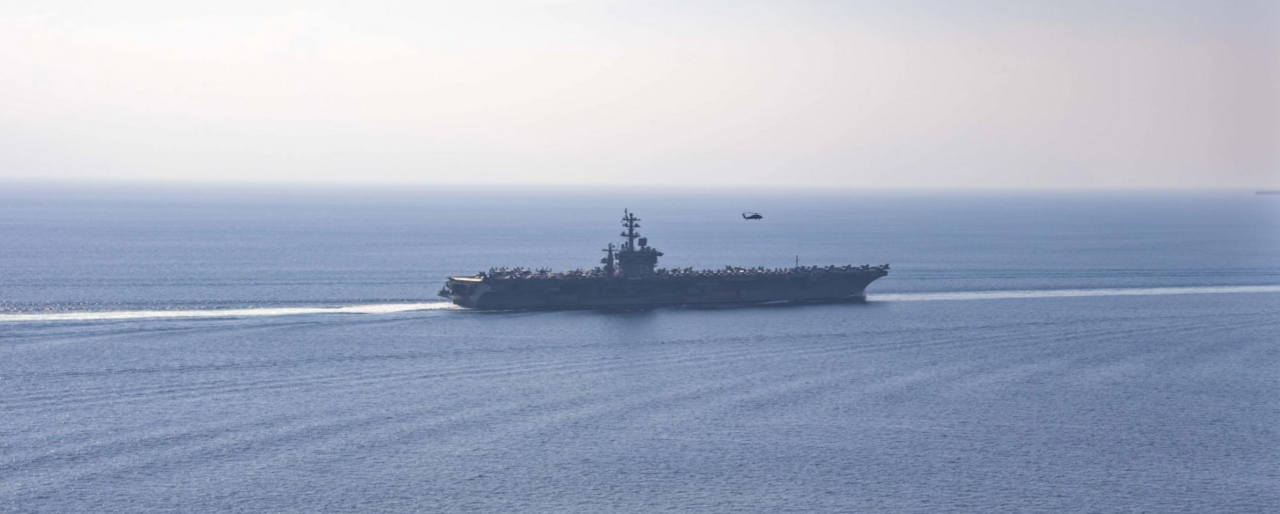
By maintaining naval dominance and economic pressure, the administration signals that attempts to leverage international piracy will not succeed. The rejection of Iran’s cease‑fire proposal demonstrates a broader doctrine of peace through strength—ensuring that American leadership sets the terms for global stability.
Conclusion: Peace Through Strength
President Trump’s rejection of Tehran’s cease‑fire plan highlights his unwavering commitment to American strength, global maritime security, and economic leverage. By enforcing Operation Economic Outcast and refusing to negotiate under duress, the administration reaffirms its dedication to protecting international commerce and defending U.S. interests.
The message is clear: America will not bend to coercion. With firm leadership, strong alliances, and relentless economic pressure, Trump continues to demonstrate that peace is achieved not through concessions, but through strength.
About Republican Column: At Republican Column, we bring you breaking U.S. news, politics, and global developments every day to keep you informed.
Affirm and taking charge! Way to go Mr. President!