

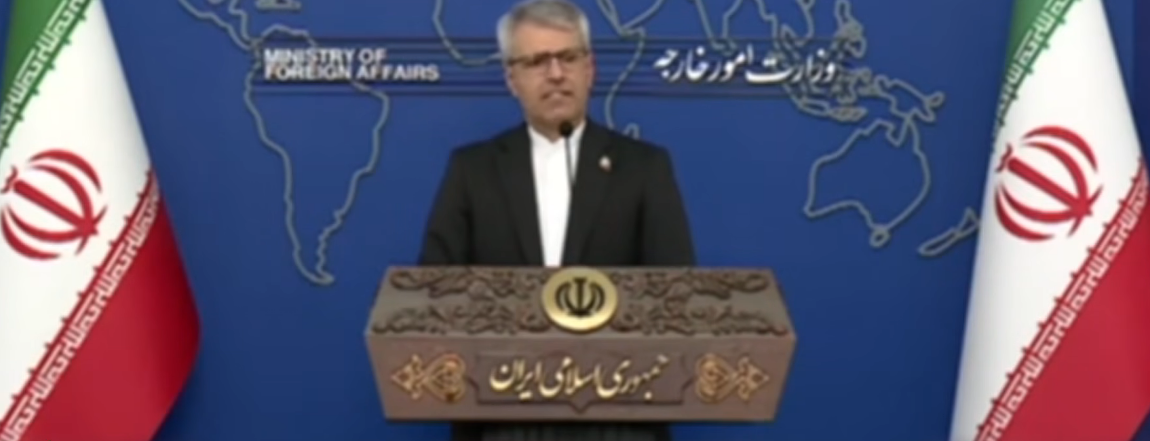
Iran says a 60-day diplomatic framework has lost relevance, while Washington continues pressing Tehran for concrete commitments on its nuclear program and regional security.
Iran’s latest statements about stalled diplomacy with Washington reveal just how difficult the path forward has become for Tehran.
Iranian officials say a previously established diplomatic framework has effectively expired after disagreements with the United States over sanctions, security and nuclear issues. Washington, meanwhile, continues to emphasize pressure and measurable commitments rather than offering sanctions relief simply to keep negotiations alive.
For President Donald Trump and his America First supporters, that approach represents a fundamental change from traditional U.S. foreign policy. The argument is straightforward: America’s economic and military strength should be used to protect American interests and discourage hostile governments from taking advantage of diplomatic concessions.
The consequences of that strategy are now being felt in Tehran.
Iran Says the Diplomatic Framework Has Broken Down
Iranian Foreign Ministry officials have publicly rejected the idea that the collapse of the diplomatic process reflects weakness on Tehran’s part.
Instead, Iranian officials have accused Washington of violating the understandings surrounding the talks and have argued that the original timetable can no longer be considered relevant.
The competing narratives highlight the central problem.
Both governments appear to want leverage before making major concessions, but neither side wants to be seen as surrendering first.
That has left diplomacy frozen while economic pressure continues.
For Tehran, the situation is particularly challenging because sanctions remain a major obstacle to economic recovery. For Washington, maintaining pressure is intended to prevent Iran from using negotiations simply as a mechanism to gain time.
Trump’s “Peace Through Strength” Approach
Trump’s foreign-policy supporters view the current situation as evidence that deterrence can be more effective than endless diplomatic concessions.
The America First philosophy emphasizes protecting U.S. interests, demanding reciprocal commitments from foreign governments and avoiding agreements that Washington cannot effectively verify.
Under this approach, sanctions are not viewed simply as punishment. They are a negotiating tool.
The objective is to make continued confrontation more costly while leaving an avenue open for Tehran to change course.
That distinction matters.
A pressure campaign can be designed not to produce permanent confrontation, but to convince an adversary that meaningful negotiations require meaningful concessions.
Economic Pressure Hits Ordinary Iranians
Behind the official statements coming from Tehran, ordinary Iranians continue to deal with serious economic challenges.
Iran has struggled with inflation, currency weakness, unemployment and high living costs for years. U.S. sanctions have contributed to the pressure, while domestic economic mismanagement, corruption and structural problems have also played significant roles.
The result is an economy where ordinary households often feel the consequences of geopolitical decisions immediately.
Higher prices affect food and transportation. Currency instability reduces purchasing power. Restrictions on international financial transactions make trade and investment more difficult.
That creates a difficult political problem for Iran’s leadership.
The government can blame Washington for sanctions, but citizens also have questions about how national resources are being managed and why economic conditions remain so difficult.
The Strait of Hormuz Remains Critical
Another major issue surrounding U.S.-Iran tensions is the Strait of Hormuz.
The narrow waterway is one of the world’s most important energy routes, making stability in the region a major concern for global markets.
Any serious disruption could affect energy prices, shipping costs and international supply chains.
Trump has repeatedly emphasized American strength in protecting strategic interests and responding to threats against U.S. personnel or international commerce.
For his supporters, maintaining credible deterrence in the Gulf is therefore an important part of preventing a much larger crisis.
The objective, they argue, is to make escalation so costly that Iran has a greater incentive to negotiate than to continue confrontation.
Oman’s Role in Backchannel Diplomacy
With direct U.S.-Iran communication facing serious obstacles, Oman remains an important potential intermediary.
Muscat has historically maintained relationships with both Washington and Tehran, allowing it to serve as a channel for indirect communication.
But mediation has limits.
Oman can carry messages between the parties, yet it cannot force either government to compromise.
If Washington insists on verifiable commitments and Tehran insists on sanctions relief before making those commitments, negotiations can quickly reach a dead end.
That appears to be where the process currently stands.
What Happens Next?
Tehran has several possible options.
It could seek a return to direct negotiations, attempt to improve relations through regional intermediaries or continue resisting American pressure.
Washington also faces choices.
The Trump administration could maintain existing sanctions, increase economic pressure or use diplomacy to pursue a new agreement.
For America First supporters, the preferred outcome is not another endless Middle Eastern conflict. It is an agreement that protects U.S. interests and prevents Iran from advancing policies Washington considers threatening.
That means diplomacy backed by credible pressure.
A Test of Trump’s Foreign Policy
The confrontation with Iran is ultimately a test of whether Trump’s Peace Through Strength philosophy can deliver the result its supporters promise.
The administration’s position is that economic and military leverage should be used to prevent hostile governments from dictating terms to the United States.
Critics argue that excessive pressure can make diplomacy more difficult and increase the risk of escalation.
Both possibilities deserve serious consideration.
What remains clear is that Tehran cannot simply assume that Washington will return to the negotiating table under the same terms as before.
The Trump administration has made its priorities clear: protect American interests, maintain pressure on Iran’s leadership and demand concrete commitments before offering major relief.
For Tehran, the next move may determine whether the current confrontation becomes another prolonged standoff—or the beginning of a new round of serious negotiations.
About Republican Column: At Republican Column, we bring you breaking U.S. news, politics, and global developments every day to keep you informed.