

As tensions between Washington and Tehran continue to shape Middle East security discussions, policymakers and military analysts are once again examining the range of options available to the United States should a confrontation with Iran intensify. The debate extends beyond military capabilities, encompassing nuclear concerns, regional stability, economic consequences, and the long-term strategic costs of escalation.
For President Donald Trump and his administration, any decision involving Iran would carry far-reaching implications both domestically and internationally. While advocates of a tougher approach argue that increased pressure is necessary to curb Iran’s regional influence and nuclear ambitions, critics warn that renewed conflict could trigger unpredictable consequences across the Middle East and the global economy.
U.S. Military Strength in the Region
The United States maintains one of the world’s most powerful military forces and has significant assets positioned across the Middle East. These include naval forces, airpower, and ground personnel spread across allied nations and strategic locations.
Military experts note that carrier strike groups provide Washington with considerable flexibility, allowing rapid response capabilities and power projection throughout the region. Meanwhile, tens of thousands of U.S. personnel remain stationed at bases across the Middle East, supporting surveillance operations, logistics, air defense, and deterrence missions.
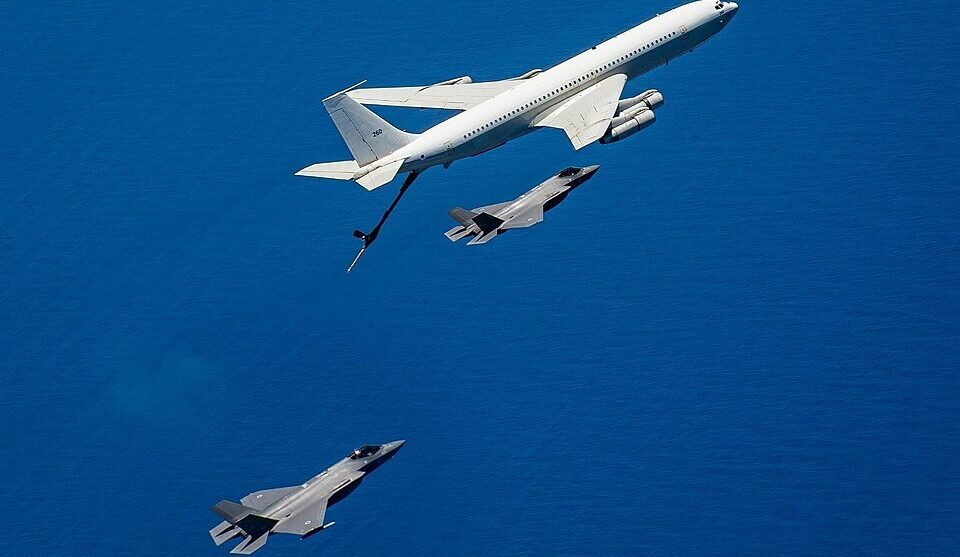
Among the most advanced military platforms potentially available in a conflict scenario are:
- F-35 Lightning II stealth fighters capable of surveillance and precision strike missions.
- F-22 Raptor aircraft designed for air superiority operations.
- F-15 and F-16 fighter jets used for a variety of combat and patrol missions.
- A-10 Thunderbolt II aircraft, known for close air support capabilities.
Supporters of military action often point to these resources as evidence that the United States possesses overwhelming conventional superiority. However, modern warfare is not determined solely by technological advantages.
The Challenge of Asymmetric Warfare
One of the primary concerns for military planners is Iran’s ability to employ asymmetric tactics. Iran and aligned groups throughout the region have demonstrated the capacity to use drones, missiles, and proxy forces to exert pressure without engaging in traditional large-scale warfare.
Defense analysts frequently highlight a growing challenge: the cost imbalance between offensive and defensive systems. Relatively inexpensive drones or missiles can force defenders to use sophisticated interceptors costing substantially more per engagement.
As a result, even limited conflicts can place significant strain on missile-defense inventories and regional military infrastructure. Maintaining a high operational tempo for extended periods could create logistical and financial challenges for all parties involved.
Iran’s Nuclear Program Remains Central
At the heart of the debate is Iran’s nuclear program.
International monitoring reports have repeatedly focused on Iran’s stockpile of enriched uranium and its nuclear activities. The key concern among Western governments is whether Tehran could eventually gain the capability to produce a nuclear weapon, even though weaponization involves additional technical and political considerations beyond uranium enrichment alone.
Any strategy aimed at limiting Iran’s nuclear capabilities faces another major obstacle: hardened underground facilities.
Several Iranian nuclear-related sites are designed to withstand conventional military attacks. Analysts note that some installations are protected by layers of rock and reinforced structures, making them especially difficult to target effectively.
This raises difficult questions about whether military strikes could achieve lasting results or simply delay nuclear development while increasing regional tensions.
Risks to Global Energy Markets
A conflict involving Iran would likely have consequences extending well beyond the battlefield.
Iran occupies a strategically important position near major maritime trade routes, including the Strait of Hormuz, through which a significant portion of the world’s energy supplies pass. Any disruption to shipping activity in the region could affect global oil markets and energy prices.
Financial markets typically react swiftly to geopolitical instability, particularly when energy infrastructure or shipping lanes are threatened. Even a short-term disruption could affect fuel costs, transportation networks, and international supply chains.
Regional tensions could also increase risks to commercial vessels and critical infrastructure throughout the Gulf region, creating wider economic uncertainty.
The Human and Financial Cost of Escalation
Military operations carry substantial financial obligations. Modern conflicts require continuous spending on logistics, weapons systems, maintenance, intelligence gathering, and force protection.
Beyond financial considerations lies the human dimension. Any escalation could endanger service members, civilians, and regional populations already affected by years of instability. Humanitarian concerns remain a major factor in strategic decision-making, especially when considering the possibility of a prolonged conflict.
Military families, allied governments, and regional partners would all face potential consequences if tensions were to evolve into sustained military operations.
A Difficult Strategic Decision
The debate surrounding U.S. policy toward Iran ultimately reflects competing priorities: deterring security threats, preventing nuclear proliferation, maintaining regional stability, and avoiding another extended military engagement in the Middle East.
Supporters of a tougher approach argue that decisive action can strengthen deterrence and limit future risks. Opponents counter that conflict may produce unintended consequences, including economic disruption, regional escalation, and long-term military commitments.
For the Trump administration, the challenge is balancing these competing realities. Any decision regarding Iran will depend not only on military capabilities but also on diplomatic objectives, economic considerations, and the broader strategic interests of the United States.
As policymakers continue to evaluate the situation, the question remains one of the most consequential foreign policy issues facing Washington: how to address concerns about Iran while minimizing the risks of a wider regional conflict.
About Republican Column: At Republican Column, we bring you breaking U.S. news, politics, and global developments every day to keep you informed.