

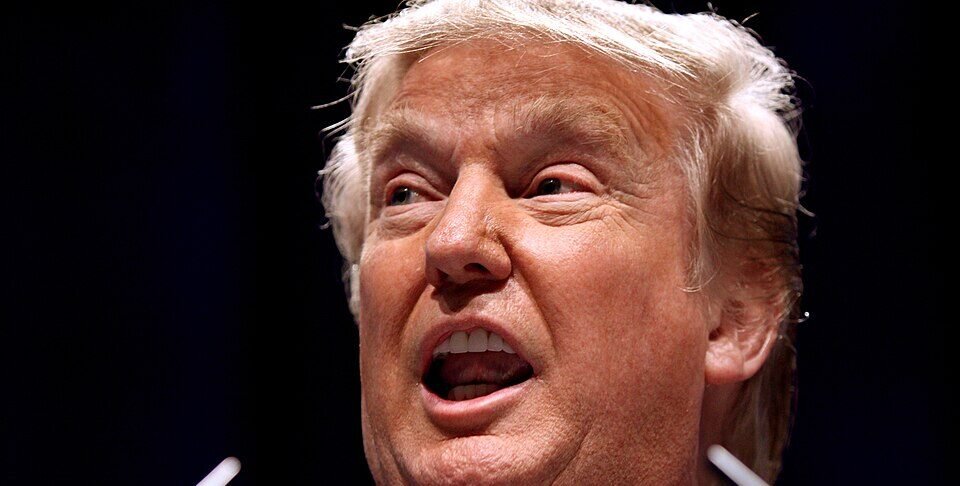
A new 24/7 stream puts Trump’s message directly online—but raises fresh questions about the role of the press.
The White House has launched “Trump TV,” a continuous digital video stream featuring President Donald Trump and administration material as a broader dispute over media access moves into the courts.
The White House has launched a new 24/7 digital video channel called “TRUMP TV: The Essentials Station,” creating another way for Americans to watch presidential speeches, administration announcements and other official footage without relying on traditional television coverage.
The platform went live Sept. 21, 2026, according to the White House, which has also promoted the service through its official digital channels. The launch comes during an increasingly contentious dispute between the Trump administration and several major news organizations over access to the White House.
The timing has made the new stream more than simply another way to watch presidential video. It has become part of a much broader debate about how presidents communicate with the public—and how independent journalists should gain access to the president.
What exactly is Trump TV?
The White House describes the service as a source for presidential and administration-related video. Its website currently features a dedicated Trump TV channel alongside the White House’s regular live-news operation.
Reporting on the launch indicates that the channel includes speeches, public appearances, administration announcements and previously recorded presidential footage. The service is designed to provide continuous access to material produced or distributed by the administration.
That gives viewers a direct route to White House-produced video.
It also changes the traditional relationship between government and media in an important way. Instead of depending entirely on television networks or newspapers to select, edit and distribute portions of presidential appearances, the administration can now distribute its own footage directly to viewers.
For supporters of the administration, that can mean fewer intermediaries between the president and the public. Critics, however, argue that government-produced material cannot replace independent reporting, questioning and verification.
The launch follows a growing White House-media dispute
The new channel arrived just as tensions between the administration and several news organizations escalated.
CNN, MS NOW and Politico filed a federal lawsuit on Sept. 21 challenging their exclusion from the White House. The organizations argue that the administration violated constitutional protections for freedom of the press by restricting their access. The White House has defended its authority over access to presidential events.
The dispute has also affected the television press pool, the rotating system through which news organizations share limited-access coverage of the president.
The press pool is important because not every journalist can physically attend every presidential event. A pool allows a small group of reporters and cameras to attend and then distribute material to a much larger group of news organizations.
Recent changes to how that pool is organized have already generated controversy.
The Trump administration moved in 2025 to take greater control over which organizations participate in the pool, ending the long-standing practice in which the White House Correspondents’ Association played a central role in determining access. Reuters reported at the time that the administration wanted greater discretion over which media organizations were included.
A continuing argument over who controls access
The current dispute is not entirely new.
During Trump’s second term, the administration has repeatedly challenged traditional arrangements governing White House press access. One of the most prominent earlier disputes involved The Associated Press after the organization declined to adopt the administration’s preferred name for the Gulf of Mexico.
A federal judge later ruled that the government could not exclude AP journalists because of their viewpoint, ordering the White House to restore the organization’s access to presidential events.
The administration appealed aspects of that dispute, arguing that the president has broad authority over access to certain limited-capacity events.
The latest conflict involving CNN, MS NOW and Politico is now being fought in federal court.
That means the question surrounding Trump TV extends beyond technology.
At its heart is a debate over whether direct government communication can coexist with a press system that independently questions and scrutinizes the president.
Direct communication in the digital age
Presidents have long used technology to communicate directly with Americans. Radio, television, websites and social media have each reduced the role of traditional media as the only route between government officials and the public.
Trump has been particularly effective at using direct communication platforms throughout his political career.
Trump TV represents another step in that evolution.
The administration can decide which speeches to highlight, which footage to distribute and how to present its own activities. Viewers can then watch the material directly rather than waiting for a television network to broadcast a particular event.
But direct access has limitations.
Official video can show viewers exactly what a president said or did, while independent journalists can provide additional context, challenge disputed claims, investigate government actions and interview people outside the administration.
For many Americans, both forms of information may therefore serve different purposes.
What happens next?
The immediate future of Trump TV will depend partly on how the White House develops the platform.
It could remain primarily a digital archive and streaming outlet for presidential events, or it could become a larger component of the administration’s communications strategy.
Meanwhile, the legal fight over press access is likely to determine how the White House and news organizations interact in the months ahead.
For ordinary viewers, the emergence of Trump TV offers another way to watch the president directly. But the larger story is about something much bigger than a new livestream.
It is about who gets to speak, who gets to ask questions and who gets to decide what Americans see when the president of the United States makes news.
As government communication becomes increasingly direct and digital, those questions are unlikely to disappear with this particular administration—or this particular platform.
About Republican Column: At Republican Column, we bring you breaking U.S. news, politics, and global developments every day to keep you informed.
[…] White House access for three news organizations after the Trump administration revoked their press credentials, setting up a broader constitutional battle over presidential authority, press access […]