

Yemen Just Became Another Pressure Point
Fighting involving Yemen’s Houthis, Saudi Arabia and wider regional powers is putting fresh pressure on energy routes, shipping and an already fragile Middle East security picture.
The Middle East is facing another week of overlapping crises, with fighting in Yemen adding pressure to an already unstable regional environment.
The latest escalation has pushed Yemen back toward the centre of international attention. Houthi forces have advanced along parts of the Red Sea coast, while attacks and counterattacks involving Saudi Arabia have raised concerns about shipping through one of the world’s most important maritime corridors
The consequences extend well beyond Yemen. The region sits at the intersection of major oil-export routes, international shipping lanes and a wider confrontation involving the United States and Iran.
Yemen’s Red Sea front is widening
The Houthi movement, which controls large parts of northern Yemen and is aligned with Iran, has intensified its military activity against Saudi Arabia and forces supporting Yemen’s internationally recognised government.
Recent fighting has included attacks on Saudi military and energy-related targets, while Saudi Arabia has carried out airstrikes against Houthi positions inside Yemen. The escalation follows the breakdown of the relative calm that had followed a 2022 truce.
The Houthis have also moved toward strategically important areas along Yemen’s Red Sea coast. The capture of Mokha, near the Bab al-Mandeb Strait, has increased concern because the waterway connects the Red Sea with the Gulf of Aden and is an important route for international commerce.
The group previously announced a maritime blockade targeting Saudi shipping, and subsequent attacks on vessels have raised further concerns about the safety of commercial traffic.
Why oil markets are watching
The biggest international concern is the potential effect on energy supplies.
The Bab al-Mandeb is one of several maritime chokepoints that connect major producers and consumers. Any sustained disruption can force ships to take longer routes, increase transportation costs and add uncertainty to already volatile oil markets.
That concern has grown because the Yemen fighting is occurring alongside a separate crisis around the Strait of Hormuz.
Recent reporting says Saudi energy infrastructure has also come under attack, while some oil operations and transportation routes have been disrupted. Saudi Arabia has sought assistance from several international partners as its air-defence resources face additional pressure.
The result is a difficult situation for global markets: uncertainty in more than one major shipping corridor can magnify the effect of individual attacks or disruptions.
Washington faces a difficult calculation
The United States is also being forced to balance competing priorities.
Washington has been involved in the broader confrontation with Iran, while Saudi Arabia has sought greater international support against the Houthi escalation.
Yet direct American military involvement in another major Yemen campaign would carry its own risks. Recent reporting indicates that the United States has so far focused on intelligence cooperation and maritime security rather than immediately committing to a large new ground or air campaign against the Houthis.
That approach reflects the wider challenge facing U.S. policymakers: protecting shipping and regional partners without allowing another conflict to expand into an even larger military confrontation.
The humanitarian cost is growing
Behind the strategic calculations is Yemen’s civilian population.
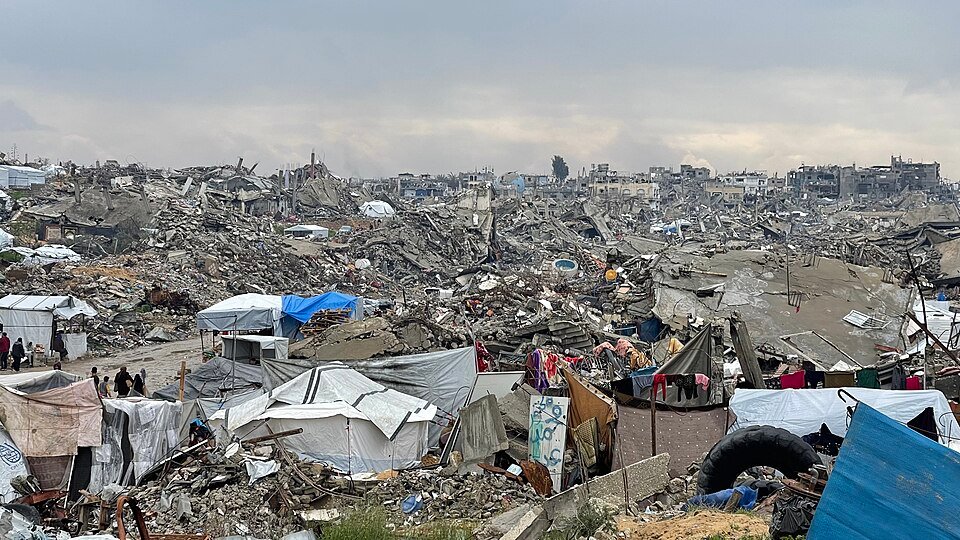
The country was already facing one of the world’s most serious humanitarian crises before the latest escalation. Renewed fighting has forced tens of thousands of people from their homes, while some civilians have attempted to cross the Red Sea toward Djibouti. Reuters reported that more than 100,000 Yemenis had been displaced amid the renewed fighting.
For families living in affected areas, the consequences go beyond the immediate violence. Displacement can mean interrupted access to food, healthcare, schools, electricity and clean water.
That makes the latest escalation more than a question of military territory or shipping routes.
A regional crisis with global consequences
The Yemen fighting is unfolding against a much larger backdrop of confrontation involving Iran, the United States and other regional powers.
For international businesses and consumers, the most immediate concern may be energy. Higher oil prices can eventually feed into transportation, manufacturing and household costs, although the size and duration of those effects depend on how long disruptions continue.
For governments, the calculation is even more complicated. Keeping shipping lanes open requires military protection, but expanding military operations can also increase the possibility of a wider conflict.
And for Yemen, another prolonged confrontation risks reversing years of efforts to reduce the intensity of the country’s civil war.
The situation remains fluid.
The Houthis have demonstrated that they can put pressure on Saudi territory and important maritime routes. Saudi Arabia has shown that it is prepared to respond militarily, while the United States is trying to protect regional security interests without necessarily opening another major front.
Diplomatic efforts involving regional countries could therefore become increasingly important.
The central question is whether the latest fighting remains contained around Yemen and the Red Sea—or whether attacks on energy infrastructure, shipping and regional military targets pull additional countries deeper into the conflict.
For now, the warning from the region’s latest developments is clear: in the Middle East, a conflict that begins around one border can quickly become an international economic and security problem.
About Republican Column: At Republican Column, we bring you breaking U.S. news, politics, and global developments every day to keep you informed.
[…] conflict in Yemen has entered a dangerous new phase as Houthi forces expand their presence along the country’s […]