

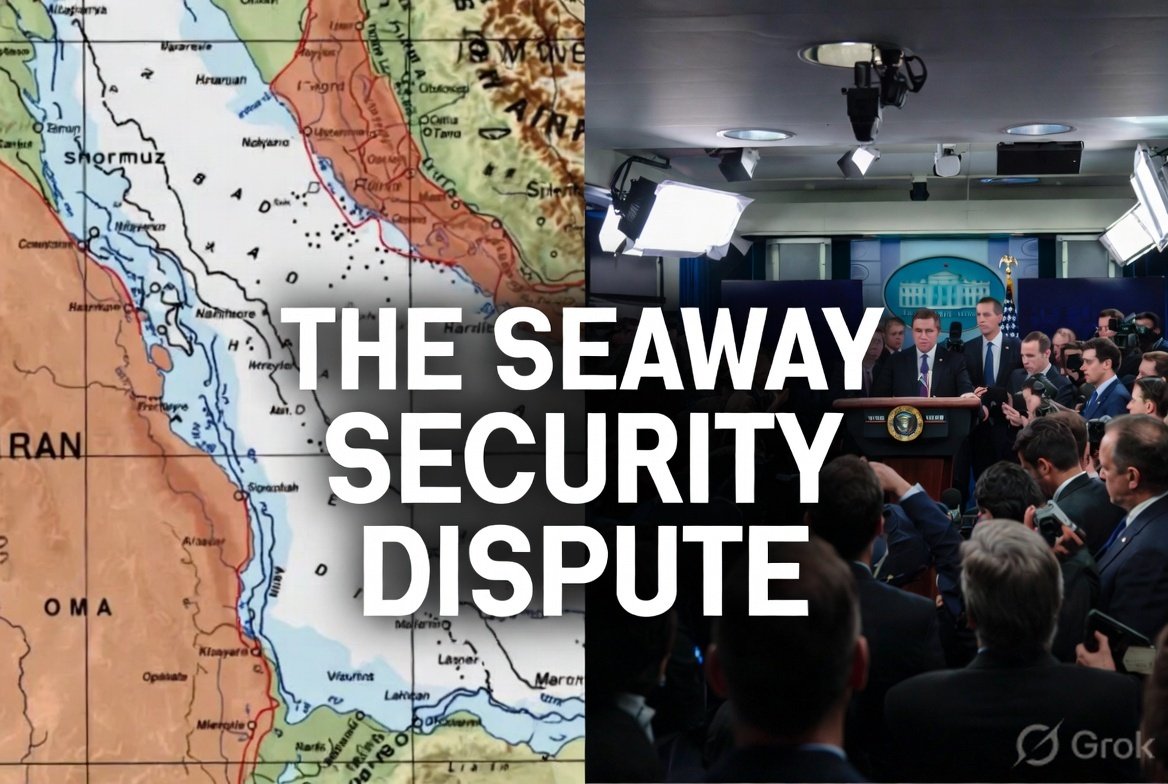
When President Donald Trump unveiled a new framework agreement aimed at reducing tensions with Iran, financial markets reacted quickly. Oil prices eased, investors welcomed the prospect of fewer disruptions in the Middle East, and many hoped the agreement could lower pressure on global energy supplies.
But while the initial market response was positive, the agreement has also sparked criticism from some conservative foreign policy experts who argue that the administration may be giving away valuable leverage before Iran has demonstrated lasting compliance.
Critics Question Whether the U.S. Is Giving Up Too Much
Several conservative commentators have drawn comparisons between the new framework and previous negotiations with Tehran, arguing that any early economic relief should come only after Iran fulfills major security commitments.
One of the central concerns involves the Strait of Hormuz, the narrow waterway that carries roughly one-fifth of the world’s seaborne oil. Critics argue that keeping this shipping lane open should never become a bargaining chip.
Their concerns generally fall into three areas:
Maritime Security
Analysts argue that freedom of navigation through international waterways should remain non-negotiable. They warn that linking shipping access to diplomatic negotiations could encourage future attempts to use commercial traffic as leverage during regional disputes.
Sanctions Relief
The administration has emphasized that sanctions relief will depend on Iranian compliance. Critics, however, caution that once restrictions begin to ease, rebuilding international sanctions could prove far more difficult if negotiations later collapse.
Frozen Assets
Some policy experts also question whether Iran could eventually regain access to billions of dollars in frozen overseas assets. They argue that any new financial resources could strengthen state institutions or regional proxy groups before a permanent agreement is fully verified.
Two Very Different Views
Supporters of the agreement argue that the administration has already achieved several important objectives without committing American troops to another large-scale conflict. They point to lower oil prices, renewed diplomatic engagement, and continued military deterrence as signs that the strategy is working.
Critics see the same developments differently.
They argue that economic incentives should come only after Iran demonstrates sustained compliance over time. From their perspective, maintaining maximum leverage until every major condition is verified would produce a stronger negotiating position.
How This Differs From the 2015 Nuclear Agreement
Administration officials have repeatedly said the current framework is fundamentally different from the 2015 Joint Comprehensive Plan of Action (JCPOA).
According to officials, the new approach includes stricter verification measures, stronger enforcement mechanisms, and no automatic expiration dates comparable to the “sunset clauses” that drew criticism in the earlier agreement.
Even so, some conservative analysts remain skeptical. They argue that any agreement involving sanctions relief or expanded oil exports before long-term compliance is fully established deserves careful scrutiny.
What Happens Next?
The coming weeks may determine whether the framework develops into a lasting agreement or simply becomes another temporary pause in tensions.
Supporters believe the combination of military deterrence and diplomacy provides the best opportunity to avoid another major conflict while protecting U.S. interests.
Critics argue that the administration should move cautiously, insisting on measurable, independently verified compliance before providing any significant economic concessions.
As negotiations continue, the debate reflects a broader question that has shaped U.S. policy toward Iran for decades: how to balance diplomacy, deterrence, and economic pressure while reducing the risk of future conflict.
About Republican Column: At Republican Column, we bring you breaking U.S. news, politics, and global developments every day to keep you informed.