

Florida’s governor wants to dramatically reduce property taxes for primary homeowners. Supporters call it long-overdue relief. Critics warn it could reshape how local governments fund essential services.
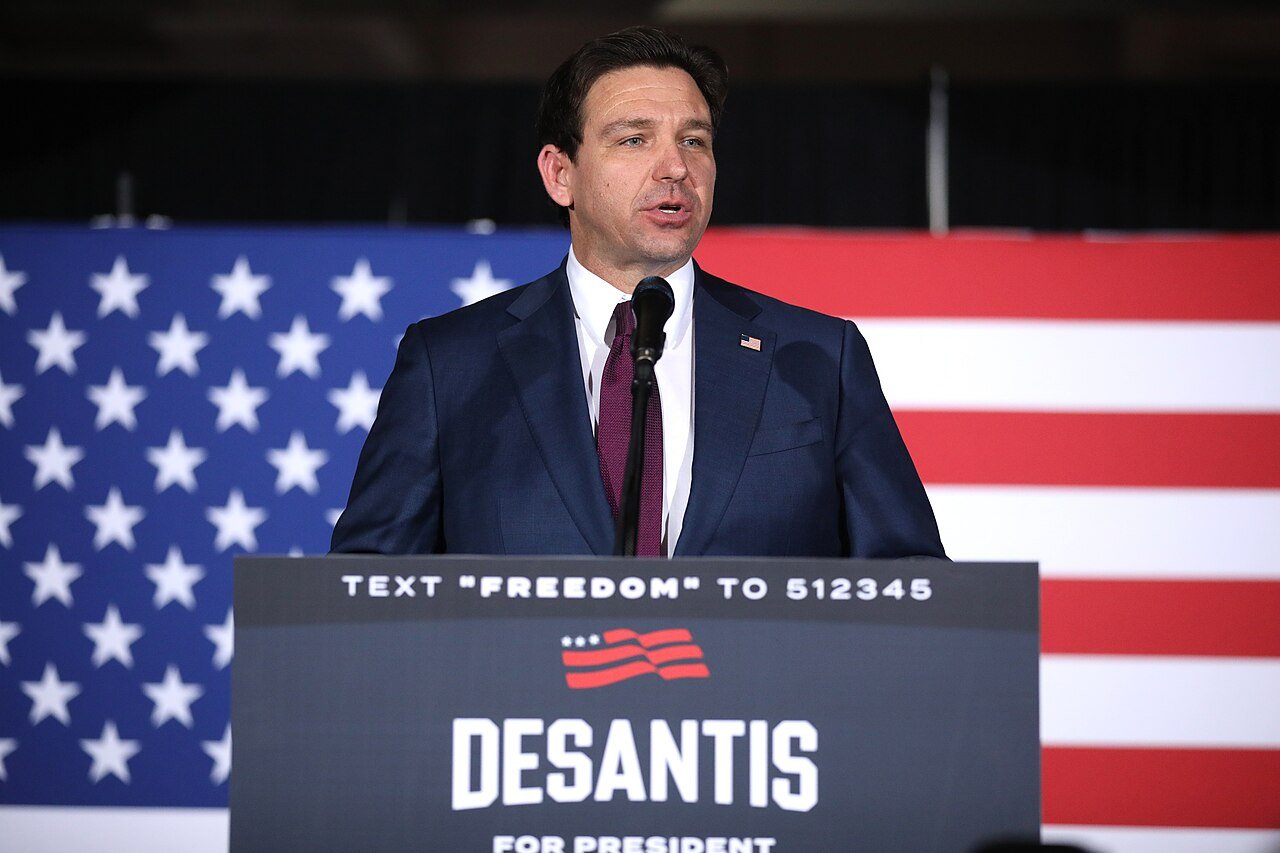
Florida Governor Ron DeSantis has unveiled a sweeping proposal that could significantly reduce or eliminate property taxes for millions of Florida homeowners, setting the stage for what may become one of the most consequential tax policy debates in the state’s modern history.
The proposal centers on expanding Florida’s homestead exemption and ultimately placing a constitutional amendment before voters that could dramatically alter the relationship between homeowners, local governments, and property taxation.
If enacted as outlined, the plan would provide substantial tax relief for many owner-occupied residences while raising important questions about how counties, municipalities, schools, and public services would replace lost revenue.
The proposal has already generated strong reactions from taxpayers, local officials, economists, and political leaders across the state.
Why Property Taxes Remain a Powerful Political Issue
Property taxes have long been one of the most controversial forms of taxation in America.
Unlike income taxes, property taxes continue indefinitely regardless of whether a homeowner has fully paid off a mortgage. Supporters of reform argue that rising property values have increased tax burdens for many families, particularly retirees and residents living on fixed incomes.
Advocates of tax reduction contend that homeowners should not face escalating annual costs simply because their property’s assessed value rises over time.
Critics, however, note that property taxes remain one of the primary funding sources for local government operations, including schools, public safety services, infrastructure maintenance, and emergency response programs.
The debate often comes down to a fundamental question: how can governments provide essential services while keeping housing affordable for residents?
What’s Included in the Proposal?
According to details released by the governor’s office and public statements from DeSantis, the proposal would significantly expand Florida’s homestead exemption system.
The initial phase would increase the standard homestead exemption from $50,000 to $250,000 for qualifying primary residences.
Supporters estimate that such a change could eliminate property tax obligations for a substantial share of owner-occupied homes throughout the state.
The plan also envisions a larger exemption structure that could eventually reach $500,000 for qualifying homesteaded properties, extending relief to an even broader segment of homeowners.
Another notable feature is a residency requirement intended to ensure that benefits primarily flow to long-term Florida residents rather than short-term property owners or investors.
Because portions of the proposal would require constitutional changes, voters would likely have a direct say on the measure before it could be fully implemented.
Supporters See a Path Toward Greater Homeownership Security
Supporters of the proposal argue that it addresses a growing affordability challenge facing homeowners.
Florida has experienced significant population growth, rising home values, and increased housing demand in recent years. While those trends have benefited many property owners, they have also contributed to larger tax bills for some residents.
Proponents say the governor’s plan could provide meaningful relief to middle-class families, retirees, and long-term homeowners who feel squeezed by rising costs.
DeSantis has framed the proposal as a way to strengthen property ownership rights and reduce ongoing financial burdens for residents who have already invested heavily in their homes.
Supporters also point to Florida’s relatively strong fiscal position and budget reserves as evidence that the state may have flexibility to explore alternative funding mechanisms.
Critics Raise Questions About Funding and Long-Term Sustainability
Not everyone is convinced.
Local government leaders, policy analysts, and some economists argue that large-scale reductions in property tax revenue could create challenges for municipalities and counties that rely heavily on those funds.
Questions remain about how local governments would replace revenue used to support schools, law enforcement agencies, fire departments, transportation infrastructure, and community services.
Some critics worry that shifting tax burdens elsewhere could create new economic distortions or simply move costs from one group of taxpayers to another.
Others argue that rapidly growing states still require substantial public investment to support infrastructure and population growth.
As details continue to emerge, the debate is expected to focus heavily on the long-term fiscal impact of the proposal.
Why This Matters Beyond Florida
The significance of the proposal extends beyond state borders.
Across the country, lawmakers are facing increasing pressure from homeowners concerned about affordability, rising assessments, and the overall cost of homeownership.
Florida’s approach could become a model—or a cautionary tale—for other states considering similar reforms.
If the proposal succeeds and proves financially sustainable, it may encourage broader discussions about alternative methods of funding local government services. If challenges emerge, it could reinforce arguments for maintaining traditional property tax structures.
Either way, policymakers nationwide will likely be watching closely.
The Road Ahead
The proposal still faces legislative review, political negotiations, and potential voter approval requirements before becoming law.
What is already clear is that the debate touches on larger questions about taxation, property rights, affordability, and the role of government.
For supporters, the proposal represents a rare opportunity to deliver meaningful tax relief and strengthen homeownership.
For critics, it raises legitimate concerns about funding public services and maintaining fiscal stability.
As Florida lawmakers prepare to examine the plan, the state may be on the verge of one of its most significant tax policy discussions in decades.
Florida’s governor wants to dramatically reduce property taxes for primary homeowners. Supporters call it long-overdue relief. Critics warn it could reshape how local governments fund essential services.
Florida Governor Ron DeSantis has unveiled a sweeping proposal that could significantly reduce or eliminate property taxes for millions of Florida homeowners, setting the stage for what may become one of the most consequential tax policy debates in the state’s modern history.
The proposal centers on expanding Florida’s homestead exemption and ultimately placing a constitutional amendment before voters that could dramatically alter the relationship between homeowners, local governments, and property taxation.
If enacted as outlined, the plan would provide substantial tax relief for many owner-occupied residences while raising important questions about how counties, municipalities, schools, and public services would replace lost revenue.
The proposal has already generated strong reactions from taxpayers, local officials, economists, and political leaders across the state.
Why Property Taxes Remain a Powerful Political Issue
Property taxes have long been one of the most controversial forms of taxation in America.
Unlike income taxes, property taxes continue indefinitely regardless of whether a homeowner has fully paid off a mortgage. Supporters of reform argue that rising property values have increased tax burdens for many families, particularly retirees and residents living on fixed incomes.
Advocates of tax reduction contend that homeowners should not face escalating annual costs simply because their property’s assessed value rises over time.
Critics, however, note that property taxes remain one of the primary funding sources for local government operations, including schools, public safety services, infrastructure maintenance, and emergency response programs.
The debate often comes down to a fundamental question: how can governments provide essential services while keeping housing affordable for residents?
What’s Included in the Proposal?
According to details released by the governor’s office and public statements from DeSantis, the proposal would significantly expand Florida’s homestead exemption system.
The initial phase would increase the standard homestead exemption from $50,000 to $250,000 for qualifying primary residences.
Supporters estimate that such a change could eliminate property tax obligations for a substantial share of owner-occupied homes throughout the state.
The plan also envisions a larger exemption structure that could eventually reach $500,000 for qualifying homesteaded properties, extending relief to an even broader segment of homeowners.
Another notable feature is a residency requirement intended to ensure that benefits primarily flow to long-term Florida residents rather than short-term property owners or investors.
Because portions of the proposal would require constitutional changes, voters would likely have a direct say on the measure before it could be fully implemented.
Supporters See a Path Toward Greater Homeownership Security
Supporters of the proposal argue that it addresses a growing affordability challenge facing homeowners.
Florida has experienced significant population growth, rising home values, and increased housing demand in recent years. While those trends have benefited many property owners, they have also contributed to larger tax bills for some residents.
Proponents say the governor’s plan could provide meaningful relief to middle-class families, retirees, and long-term homeowners who feel squeezed by rising costs.
DeSantis has framed the proposal as a way to strengthen property ownership rights and reduce ongoing financial burdens for residents who have already invested heavily in their homes.
Supporters also point to Florida’s relatively strong fiscal position and budget reserves as evidence that the state may have flexibility to explore alternative funding mechanisms.
Critics Raise Questions About Funding and Long-Term Sustainability
Not everyone is convinced.
Local government leaders, policy analysts, and some economists argue that large-scale reductions in property tax revenue could create challenges for municipalities and counties that rely heavily on those funds.
Questions remain about how local governments would replace revenue used to support schools, law enforcement agencies, fire departments, transportation infrastructure, and community services.
Some critics worry that shifting tax burdens elsewhere could create new economic distortions or simply move costs from one group of taxpayers to another.
Others argue that rapidly growing states still require substantial public investment to support infrastructure and population growth.
As details continue to emerge, the debate is expected to focus heavily on the long-term fiscal impact of the proposal.
Why This Matters Beyond Florida
The significance of the proposal extends beyond state borders.
Across the country, lawmakers are facing increasing pressure from homeowners concerned about affordability, rising assessments, and the overall cost of homeownership.
Florida’s approach could become a model—or a cautionary tale—for other states considering similar reforms.
If the proposal succeeds and proves financially sustainable, it may encourage broader discussions about alternative methods of funding local government services. If challenges emerge, it could reinforce arguments for maintaining traditional property tax structures.
Either way, policymakers nationwide will likely be watching closely.
The Road Ahead
The proposal still faces legislative review, political negotiations, and potential voter approval requirements before becoming law.
What is already clear is that the debate touches on larger questions about taxation, property rights, affordability, and the role of government.
For supporters, the proposal represents a rare opportunity to deliver meaningful tax relief and strengthen homeownership.
For critics, it raises legitimate concerns about funding public services and maintaining fiscal stability.
As Florida lawmakers prepare to examine the plan, the state may be on the verge of one of its most significant tax policy discussions in decades.
Sources & Deep-Dive Verification
Official Legislative Action & Strategy
WUFT Politics Bureau : Extensive reporting on Florida’s special legislative session, including analysis of the proposed $250,000 and $500,000 homestead exemption framework.
Insurance Journal Southeast Analysis : Detailed examination of the proposed five-year residency requirement, funding mechanisms for local governments, and potential impacts on Florida’s housing market.
Executive Transcripts & Policy Debates
FOX 13 Newsroom Tampa Bay : Broadcast coverage of the debate surrounding property tax reform, including statements from Governor Ron DeSantis and responses from political opponents.
Institute on Taxation and Economic Policy (ITEP) : Historical and policy analysis tracking Florida’s property tax reform efforts and the broader implications of reducing or eliminating ad valorem taxes.
Editorial Note: This article is based on publicly available statements, legislative proposals, and reporting available at the time of publication. Details of the proposal may evolve as the legislative process continues.
About Republican Column: At Republican Column, we bring you breaking U.S. news, politics, and global developments every day to keep you informed.