

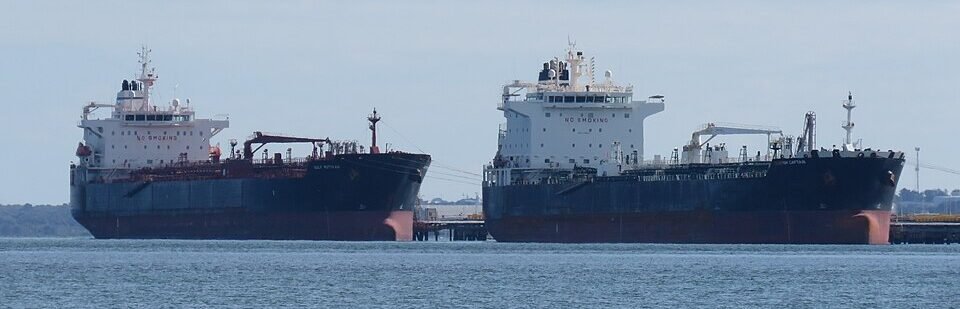
Tensions in the Middle East are rising again after Iran reportedly seized multiple vessels in the strategically vital Strait of Hormuz, just hours after a ceasefire extension announced by Donald Trump.
According to Iranian state media, at least three ships were targeted, with two now under the control of the Islamic Revolutionary Guard Corps (IRGC).
Initial reports suggest that Iranian forces opened fire on vessels passing through the Strait, a critical global shipping route for oil and trade. Ship tracking data indicates that at least two vessels—reportedly linked to the U.K. and Panama—were intercepted and are now being held for inspection.
The Strait of Hormuz handles a significant portion of the world’s oil supply, making any disruption a major concern for global markets.
Ceasefire Extension Under Pressure
Earlier, Trump had announced an extension of the ceasefire, stating that the U.S. would pause further action to give Iranian leadership time to present a unified proposal for negotiations.
“The government of Iran is seriously fractured,” Trump said, adding that U.S. forces would maintain a naval blockade while remaining ready for further action.
However, the latest developments could complicate those efforts. Analysts say the ship seizures risk undermining already fragile diplomatic progress.
Economic Pressure Mounting
U.S. officials have emphasized economic pressure as a key strategy. According to statements, Iran is facing significant financial strain, with claims that it is losing hundreds of millions of dollars daily due to restrictions on oil exports.
This pressure is seen as part of a broader attempt to push Iran toward negotiations.
Internal Divisions in Iran
Experts and officials suggest that divisions within Iran’s leadership may be contributing to the escalating situation. Reports indicate a split between political leaders and hardline factions such as the IRGC, which may not fully support negotiations.
This internal divide has made it harder to reach a unified position in talks with the United States.
Diplomatic Efforts in Uncertainty
Plans for high-level discussions involving U.S. officials, including JD Vance, have reportedly been delayed amid the growing tensions.
With the ceasefire in place but under strain, the coming days are expected to be critical in determining whether diplomacy can move forward—or if the situation escalates further.
The Strait of Hormuz is one of the world’s most important energy chokepoints:
- A large share of global oil passes through it daily
- Any disruption can impact fuel prices worldwide
- It remains a key focus in geopolitical conflicts
About Republican Column: At Republican Column, we bring you breaking U.S. news, politics, and global developments every day to keep you informed.