

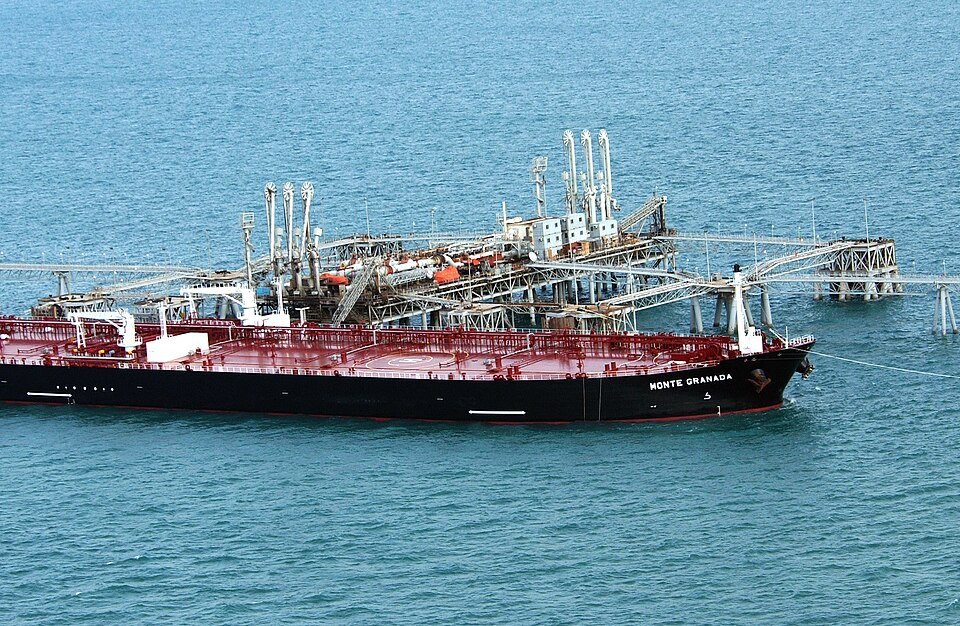
Rising tensions in the Middle East are triggering fresh concerns after Iran signaled it could move to block critical oil shipping routes. The warning has sent shockwaves through global energy markets, raising fears of supply disruptions and rising fuel prices worldwide.
A potential move by Iran to block key oil routes is raising alarm over global energy supply and rising prices.
Story Snapshot
• Iran signals possible disruption to major oil routes
• Fears grow over global supply shock and rising energy prices
• Key shipping lanes like the Strait of Hormuz are in focus
• Markets and governments are reacting to escalating tensions
A Critical Threat to Global Oil Supply
The warning from Iran has put attention on one of the world’s most important النفط corridors—the Strait of Hormuz, through which a significant portion of global oil supply passes.
Any disruption in this region could have immediate and far-reaching consequences, affecting oil exports from multiple countries and tightening global supply.
Markets React to Rising Tensions
Energy markets have already begun reacting to the uncertainty. Oil prices often spike when there is a perceived risk to supply routes, and analysts warn that even the threat of disruption can drive volatility.
Higher oil prices could quickly translate into:
- Rising gas prices
- Increased transportation costs
- Higher prices for everyday goods
Why This Matters Globally
The potential blocking of key routes doesn’t just affect one region—it has global implications. Countries heavily dependent on oil imports could face shortages or price spikes, while global trade routes may also be disrupted.
For the United States and other major economies, this could mean renewed inflationary pressure at a time when economic stability is already a concern.
Growing Geopolitical Pressure
The situation adds to already rising tensions in the region, with global powers closely monitoring developments. Any escalation could lead to increased military presence or diplomatic efforts aimed at keeping the routes open.
Experts warn that even a temporary disruption could have lasting effects on global markets and political stability.
What Happens Next
The coming days will be critical in determining whether tensions escalate or ease. Diplomatic efforts, military positioning, and international responses will all play a role in shaping the outcome.
For now, markets—and governments—remain on high alert.
Sources
Iran and global oil supply concerns
Energy markets and geopolitical tensions
About Republican Column: At Republican Column, we bring you breaking U.S. news, politics, and global developments every day to keep you informed.