

Published: May 28, 2026
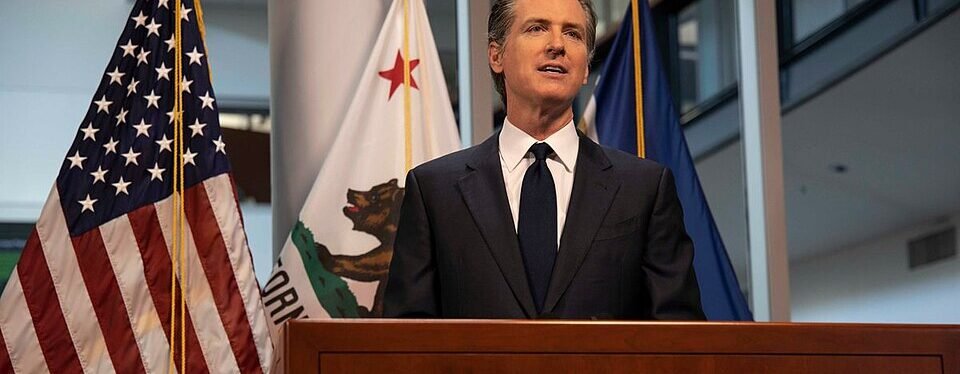
Sacramento, California — Governor Gavin Newsom delivered a strongly worded defense of election integrity this week, signing SB73 while launching a pointed attack on President Donald Trump. The most controversial part of his remarks: a vow to pursue a 100% state tax on any Californian who receives money from a $1.8 billion federal fund tied to the Trump administration.
Newsom described the fund as a “slush fund” for individuals pardoned in connection with January 6 events. He stated clearly: “Anyone from California that receives any of those funds… we want to tax 100% of those proceeds.” He framed the idea as a legitimate use of state authority.
What the New Legislation Does
SB73, which took effect immediately upon signing, includes several key provisions:
- Stronger penalties for breaking the chain of custody of ballots
- Restrictions on unauthorized access to voting machines and voter data
- Enhanced legal tools for election officials facing intimidation or interference
Newsom argued these measures are necessary to protect public confidence in elections, citing incidents in Riverside County and concerns about federal involvement in Georgia’s Fulton County. He described Trump as an “invasive species” who believes in “competitive authoritarianism” rather than fair elections.
The 100% Tax Proposal: Bold Move or Symbolic Gesture?
The tax announcement has drawn immediate attention. While California has broad taxing authority, legal scholars note that a narrowly targeted 100% tax on specific federal funds could face serious constitutional challenges under the Supremacy Clause or equal protection arguments.
Potential Impacts on Californians:
- Many recipients of such federal funds could be veterans, small business owners, or individuals in economically struggling areas.
- California already has one of the highest overall tax burdens in the nation. Adding another layer of taxation could further strain residents.
- Experts suggest the proposal may be more political messaging than easily enforceable policy.
This isn’t the first time California has clashed with the Trump administration over federal funds. Previous battles over wildfire relief, high-speed rail funding, and environmental regulations have shown how quickly state-federal tensions can escalate.
Broader Political Context
Newsom’s remarks come as the 2026 election cycle heats up. He repeatedly warned of threats to democracy, referencing past events including January 6 pardons, alleged federal interference in elections, and the use of federal agencies. He positioned California as a bulwark against what he sees as dangerous national trends.
Critics argue that Newsom’s rhetoric — calling Trump “delusional” and comparing situations to “Jim Crow 2.0” in other states — inflames divisions rather than solving problems. Supporters, however, view his aggressive stance as necessary resistance against perceived overreach from Washington.
Balanced Take: Concerns about election security are legitimate across the political spectrum. Both parties have raised issues about voter confidence, chain of custody, and potential intimidation. However, using tax policy as a direct political weapon against federal programs sets a precedent that could be used by future governors against Democratic initiatives. Many Californians — dealing with high living costs, housing shortages, and recent natural disasters — may prioritize practical results over political theater.
The 100% tax proposal still needs legislative backing and would almost certainly face lawsuits if implemented. Meanwhile, SB73 adds immediate protections for election workers and processes ahead of upcoming votes.
This episode highlights the deep polarization in American politics today. California continues to position itself as a counterweight to the Trump administration, using both legislation and strong public rhetoric. Whether this approach strengthens democracy or further entrenches division remains a matter of heated debate.
As always in these situations, the real test will be outcomes: Will California elections feel more secure? Will residents actually face new taxes on federal aid? And can state and federal leaders find any common ground on issues that matter most to everyday Americans?
This analysis is based on Governor Newsom’s official remarks, review of SB73 provisions, and historical context on state-federal fiscal conflicts.
About Republican Column: At Republican Column, we bring you breaking U.S. news, politics, and global developments every day to keep you informed.