

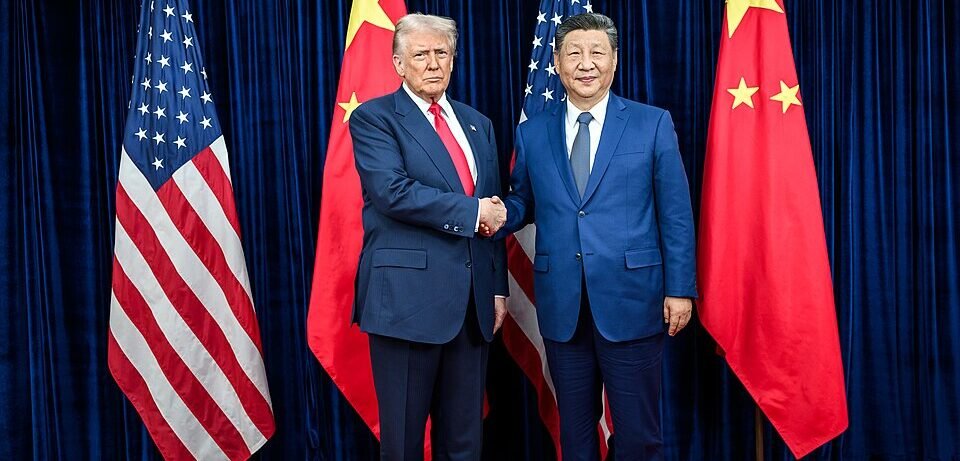
It was the most anticipated diplomatic showdown of the year, but beneath the smiles, handshakes, and carefully choreographed pageantry of Donald Trump’s state visit to Beijing, a decades-old fault line just fractured wider than ever.
During their intense, face-to-face meetings, Chinese President Xi Jinping delivered what might be his most direct, chilling warning yet regarding Taiwan. According to official readouts, Xi told Trump in no uncertain terms that the Taiwan question is the single most critical issue in U.S.-China relations.
Then came the kicker: handle it properly, and you get bilateral stability. Handle it wrong, and the two superpowers will face “clashes and even conflicts.”
For those keeping score at home, that isn’t standard diplomatic fluff. That is an ultimatum.
The Anatomy of “Wolf Warrior” Diplomacy
Appearing on cable news to parse the fallout, national security expert and China veteran Steve Yates pointed out that while this script has been read in various forms for 40 years, the delivery has changed dramatically. Under Xi, China’s Foreign Ministry has unleashed its aggressive “Wolf Warrior” style of diplomacy—using blunt, public threats to rattle Washington while trying to maintain a polite veneer behind closed doors.
What makes Xi’s aggressive stance so frustratingly hollow, however, is who is actually causing the friction.
“Taiwan hasn’t been declaring anything,” Yates noted. “The uptick in the Strait has been China putting blockade-like exercises out there, pretty much since former Speaker of the House Nancy Pelosi visited.”
Ever since that 2022 visit, Beijing has essentially used the Taiwan Strait as a live-fire military playground. They trigger the crisis, run the aggressive naval drills, and then turn around to warn the U.S. not to alter the “status quo.” Incoming Secretary of State Marco Rubio echoed this sentiment, firmly stating that any forced change to the island’s status would be disastrous for global stability.
Why This Isn’t Just a “Political Issue”—It’s a Wealth Issue
For the average American, a dispute over an island roughly the size of Maryland on the other side of the world can feel incredibly distant. But Yates laid out a staggering reality check that moves this conflict out of the geopolitical stratosphere and straight into your bank account:
- Global Shipping Bottleneck: More than 50% of the world’s global container shipping passes through the vital waterways surrounding Taiwan.
- The Stock Market Boom: Fueled by its absolute dominance in advanced semiconductor technology, Taiwan’s stock market has soared, recently surpassing the United Kingdom’s in total value.
- The 24-Hour Collapse: If China were to launch a blockade or a kinetic military strike against Taipei, Yates warns of a “catastrophic drop” in global markets within just 24 hours.
This isn’t a minor border dispute; it’s a global economic linchpin. If Taiwan goes dark, the global supply chain goes with it.
   Global Impact of a Taiwan Conflict (Estimated 24-Hour Window)
   ┌─────────────────────────────────────────────────────────────┐
   │  ► 50%+ of Global Shipping Frozen                           │
   │  ► Total Halting of Advanced Semiconductor Exports          │
   │  ► Trillions Evaporated from Global Stock Markets           │
   └─────────────────────────────────────────────────────────────┘
Trump’s “Golden Path” Counter-Offer
So, how did President Trump respond to Xi’s dark warnings? By doing what he loves most: trying to flash American corporate muscle and talk business.
Trump didn’t arrive in Beijing empty-handed; he brought a literal vanguard of American tech and financial aristocracy, including Apple’s Tim Cook and Tesla’s Elon Musk. The combined market capitalization of the companies represented in Trump’s delegation practically rivals the GDP of China itself.
The strategy here is obvious. Trump is offering Xi a “golden alternative path.” The message is simple: Stop the military posturing, open your markets, buy our energy, buy our agriculture, and we can all get rich together. Trump proudly touted “fantastic trade deals” as the summit wrapped up, including massive soybean purchases and a commitment for hundreds of Boeing jets.
Trust, but Verify
Trump’s business-first approach might yield flashy headlines and boost agricultural exports in the short term, but critics are already pointing out a glaring omission: Trump notably avoided publicly pushing back against Xi’s aggressive rhetoric regarding Taiwan’s sovereignty.
As Steve Yates wisely cautioned, the U.S. has been through “big deals” with China before. The handshake looks great on television, and the corporate press releases sound amazing to Wall Street.
But with China, the catch is always in the follow-through. Until Beijing pulls its warships back from the Taiwan Strait, the threat of conflict remains just one miscalculation away.
About Republican Column: At Republican Column, we bring you breaking U.S. news, politics, and global developments every day to keep you informed.