

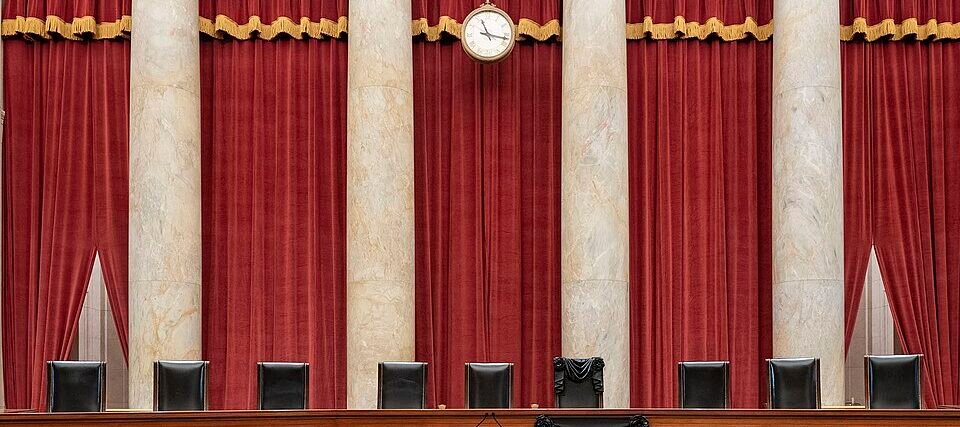
In a sharply divided decision, the Supreme Court of the United States has reportedly ruled 5–4 to expand presidential authority under the Alien Enemies Act, granting sweeping powers to address foreign-linked criminal threats.
The ruling, if confirmed, would mark one of the most consequential interpretations of executive wartime authority in modern U.S. history.
Trump Administration Gains Broad Deportation Authority
The decision is seen as a major legal victory for Donald Trump, enabling the administration to fast-track deportations of individuals identified as members of Tren de Aragua.
Officials argue that the group poses a serious transnational security threat, justifying extraordinary measures under wartime legal frameworks.
Plan Targets Transfers to El Salvador Mega-Prison
According to early reports, deported individuals could be sent to detention facilities in El Salvador, including its controversial high-security mega-prison system.
Supporters say the move would help dismantle organized crime networks operating across borders, while critics warn it raises significant human rights concerns.
Majority Opinion Emphasizes National Security
The Court’s conservative majority reportedly framed the decision around the need for strong executive action in the face of evolving international threats.
They argued that the Alien Enemies Act provides the president with flexible authority during periods of national danger—even outside formally declared wars.
Dissent Warns of Civil Liberties Risks
In dissent, liberal justices cautioned that the ruling could set a dangerous precedent by expanding presidential power without sufficient judicial oversight.
They raised concerns about due process, potential misidentification, and the long-term implications for constitutional protections.
Political Reactions Deeply Divided
The ruling has sparked intense reactions across the political spectrum.
Supporters view it as a necessary step toward restoring law and order and strengthening border security. Critics, however, argue it risks undermining democratic norms and could be used too broadly.
About Republican Column: At Republican Column, we bring you breaking U.S. news, politics, and global developments every day to keep you informed.