

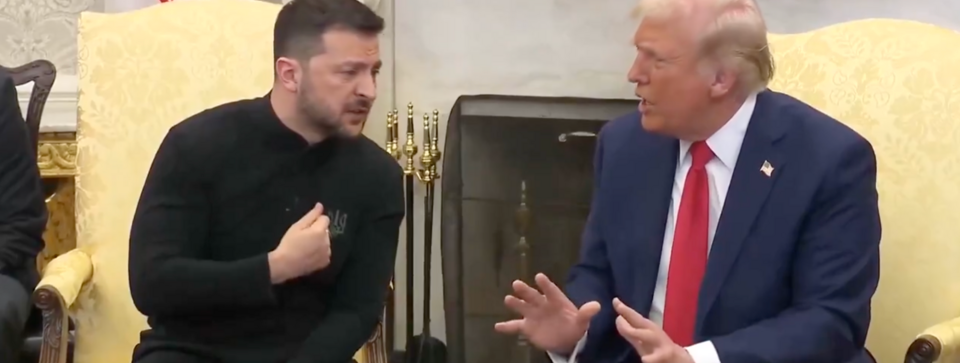
Zelenskyy Raises Concerns Over Potential U.S. Russia Sanctions Relief
As winter approaches, Kyiv is emphasizing European backing while uncertainty over Washington’s future approach adds another dimension to the diplomatic debate.
Ukrainian President Volodymyr Zelenskyy and international analysts are raising questions about the future of Western pressure on Russia as diplomatic discussions continue over the war in Eastern Europe.
At the center of the debate is the possibility of changes to U.S. sanctions policy and what those changes could mean for Ukraine’s defense, economic position and efforts to secure a lasting settlement.
The concerns come as Kyiv continues working with European governments to maintain financial and military assistance. With winter approaching, Ukraine also faces renewed pressure to prepare vulnerable communities for the challenges of the coming months.
The discussion reflects a broader uncertainty over how Washington and its allies will balance diplomatic engagement, economic interests and security commitments as the conflict continues.
Washington’s Russia Policy Under Scrutiny
Sanctions have been an important part of the international response to Russia’s invasion of Ukraine. Measures targeting Russian economic interests, financial activity and energy-related revenues have been intended to increase the cost of continuing the war.
However, the future of those restrictions remains part of a wider debate about diplomacy and the conditions needed for a sustainable resolution.
The report highlights concerns among Ukrainian officials and analysts that a potential easing of U.S. sanctions could affect the pressure on Moscow. Such a shift could also influence discussions among Ukraine’s international partners about the most effective way to support Kyiv.
The possibility of sanctions relief should not be confused with a confirmed policy decision. The material presented in the report describes concerns about potential changes rather than establishing that Washington has formally agreed to lift additional restrictions.
For Ukraine, the distinction matters. Kyiv has consistently relied on international cooperation as it seeks to defend its territory and strengthen its position in any future negotiations.
Europe’s Role Becomes More Important
European governments have taken on a significant role in supporting Ukraine as questions continue about the scope of future U.S. involvement.
According to the report, European nations have contributed financial and military assistance, maintained asset-freezing measures and pursued efforts to reduce their dependence on Russian energy.
These policies have formed part of a broader effort to limit Moscow’s resources while helping Ukraine sustain its defense.
European backing could become even more consequential if Washington changes its approach to sanctions or adjusts the level of assistance it provides.
However, European support does not eliminate the strategic importance of U.S. involvement. The report points to the continued relevance of advanced defense systems, satellite communications and other technological infrastructure that contribute to Ukraine’s military capabilities.
Coordination between Washington, European capitals and Kyiv therefore remains a central issue as policymakers consider their next steps.
The challenge is not simply maintaining existing commitments. It is determining how international partners can coordinate their policies if diplomatic priorities begin to diverge.
Winter Adds Urgency to Ukraine’s Challenges
Beyond the diplomatic debate, the approach of winter is increasing concern about the humanitarian consequences of the conflict.
Communities near front-line areas continue to face difficult conditions, while questions about access to essential services and the delivery of relief remain important.
The report emphasizes the need for humanitarian access and coordinated assistance for people affected by the fighting.
Winter preparations can involve difficult logistical demands, particularly in areas where infrastructure has been damaged or where insecurity complicates the movement of supplies.
For Ukrainian officials, maintaining international attention on these needs is another reason to strengthen relationships with European governments and other partners.
Humanitarian assistance also presents a challenge for the wider international community. Governments must consider how to sustain support for affected populations while navigating disagreements over sanctions, military aid and the diplomatic path forward.
Although sanctions are primarily intended to exert economic pressure, their future is closely connected to the wider debate over how the conflict might eventually be resolved.
Defense Technology Remains a Strategic Concern
The report also draws attention to the role of defense and communications infrastructure in Ukraine’s security.
Satellite communications and advanced missile-defense systems have become important elements of modern warfare, helping forces maintain coordination and respond to threats.
Any uncertainty surrounding the availability or future support of such capabilities can therefore become part of the broader strategic debate.
For Ukraine, the issue extends beyond the number of weapons supplied. It also involves access to the systems, technology and international coordination needed to sustain military operations over time.
Analysts cited in the report suggest that cooperation among international partners will remain important as Ukraine prepares for the coming winter and faces continued battlefield challenges.
The extent to which future U.S. policy changes affect these arrangements remains uncertain. The report does not establish that specific defense capabilities are being withdrawn or that any new restrictions have been imposed.
Nevertheless, the relationship between diplomatic decisions and practical security needs remains an important consideration for Kyiv and its allies.
The Difficult Balance Between Pressure and Diplomacy
The sanctions debate illustrates a broader question confronting governments involved in efforts to end the conflict: how can economic pressure be maintained while leaving room for meaningful diplomatic engagement?
Supporters of continued restrictions argue that sanctions can limit Russia’s resources and strengthen the international response to the invasion. Others may view adjustments to sanctions as a possible component of negotiations, depending on the terms and guarantees involved.
The report focuses on Ukrainian concerns about potential changes in Washington’s approach, alongside the growing importance of European cooperation.
Ultimately, the impact of any policy adjustment would depend on its scope, timing and relationship to developments on the ground.
Sanctions relief, continued economic restrictions, military assistance and diplomatic negotiations are interconnected, but they are not interchangeable. Each involves separate decisions and potentially different consequences.
For Ukraine, the priority remains securing the support and assurances it considers necessary for its defense and long-term stability.
What Comes Next for Kyiv and Its Partners?
The coming months are likely to keep international attention focused on the relationship between U.S. policy, European support and Ukraine’s security needs.
Zelenskyy’s concerns reflect the uncertainty facing Kyiv as governments weigh their economic interests, strategic priorities and approaches to negotiations.
European countries will continue to face questions about the scale and duration of their support, while Washington’s decisions will remain an important factor in the wider diplomatic picture.
At the same time, preparations for winter and the needs of communities affected by the conflict will require practical attention regardless of how sanctions discussions develop.
No single policy decision is likely to resolve the many military, political and humanitarian challenges involved.
For now, the central issue is whether Ukraine’s international partners can maintain sufficient coordination to support its security while determining what conditions might create a credible path toward a lasting settlement.
As discussions continue, the possibility of changes to U.S. sanctions policy remains a source of concern for Ukrainian leadership. But until specific decisions are confirmed, the direction and consequences of any potential relief remain uncertain.
About Republican Column: At Republican Column, we bring you breaking U.S. news, politics, and global developments every day to keep you informed.
When are we going cut the money spicket off on this little corrupt slime ball Zelenski. We should make him pay back every last dollar he got from us!