

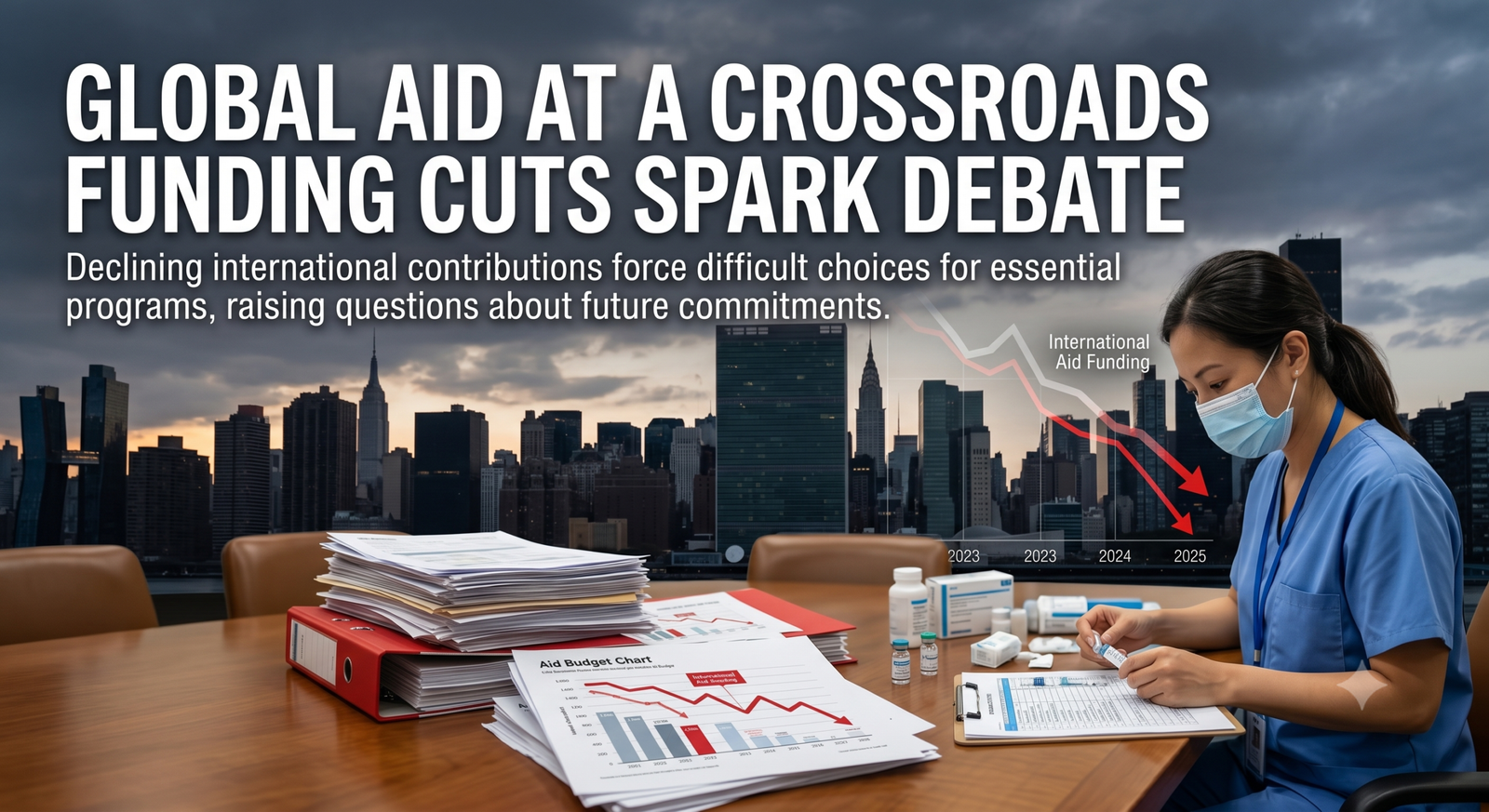
For decades, the United States has been the largest contributor to global health initiatives, funding programs that combat HIV/AIDS, malaria, tuberculosis, and other major public health challenges around the world. But recent changes in U.S. foreign aid policy are forcing international organizations to confront a difficult question: what happens when the world’s largest donor reduces its financial commitments?
A newly released report from the Joint United Nations Programme on HIV/AIDS (UNAIDS) suggests the consequences are already becoming visible.
According to the agency, access to pre-exposure prophylaxis (PrEP)—a medication used to reduce the risk of HIV infection—declined significantly between 2024 and 2025 across dozens of countries that have historically relied on international assistance programs. The report has reignited debate over the future of global health funding, government accountability, and the role American taxpayers should play in supporting overseas initiatives.
A Global Health System Facing New Financial Pressures
The UNAIDS report paints a picture of growing strain across several public-health programs.
Among the trends highlighted:
- Reduced access to PrEP medications in multiple countries.
- Declines in HIV testing rates in some regions.
- Funding shortfalls affecting prevention and outreach programs.
- Increased pressure on local health systems that previously depended heavily on foreign assistance.
Health organizations argue that these disruptions could slow progress against HIV transmission rates, particularly in lower-income countries where external funding has historically covered a substantial portion of healthcare budgets.
Supporters of aid reform, however, view the situation differently. They argue that the growing dependence on a handful of donor nations has created a fragile system that lacks long-term sustainability.
The Debate Over Foreign Aid Accountability
The discussion extends beyond healthcare and into broader questions about government spending priorities.
The Trump administration has defended its review of foreign assistance programs as part of a wider effort to evaluate efficiency, transparency, and measurable outcomes. Administration officials have argued that taxpayers deserve greater oversight of how international aid dollars are allocated and whether programs are achieving their stated goals.
Advocates of reform contend that periodic reviews are necessary to ensure funding remains aligned with American interests and delivers meaningful results rather than supporting bureaucratic expansion.
Critics, meanwhile, warn that abrupt funding reductions can create unintended consequences for vulnerable populations that depend on existing healthcare infrastructure.
The Future of PEPFAR and Global Health Programs
Much of the debate has centered around the President’s Emergency Plan for AIDS Relief (PEPFAR), one of the most successful global health initiatives in modern history.
Since its launch in 2003, PEPFAR has been credited with helping millions gain access to HIV treatment and prevention services. However, questions surrounding its long-term funding structure have intensified as policymakers evaluate federal spending priorities.
Supporters of continued funding emphasize the program’s documented health outcomes and diplomatic value. Others argue that partner nations and international organizations should assume greater financial responsibility rather than relying primarily on U.S. taxpayers.
The discussion reflects a broader challenge facing global health programs: how to maintain progress while creating more sustainable funding models.
International Partners Face Similar Budget Constraints
The funding debate is not limited to the United States.
Several European governments have also reassessed foreign aid commitments in recent years as they confront slower economic growth, rising debt burdens, and increased domestic spending demands.
As a result, many international organizations are being forced to adapt to a changing funding landscape where donor contributions can no longer be taken for granted.
For global health agencies, the challenge now is finding new ways to maintain critical services while reducing dependence on a small number of major contributors.
Balancing Domestic Priorities and Global Commitments
At the heart of the debate is a question that continues to divide policymakers: how should governments balance domestic needs with international responsibilities?
Supporters of aid reductions argue that economic pressures, inflation concerns, and growing national debt require a renewed focus on priorities at home. Others maintain that global health investments help promote international stability and ultimately serve long-term American interests.
As governments around the world reevaluate spending commitments, the future of international health programs may depend on whether a new balance can be found between fiscal responsibility and humanitarian goals.
The UNAIDS report highlights just how significant that conversation has become—and how closely the world will be watching the decisions made in Washington and other major donor capitals.
You can review a deeper analytical breakdown of the shifting legislative dynamics surrounding international public health spending and see clips from the active panel briefings by watching this Official United Nations Briefing on Global Health and Aid Funding Realignment. This coverage details exactly how changing executive priorities in Washington are forcing international agencies to radically restructure their multi-year budgets.
About Republican Column: At Republican Column, we bring you breaking U.S. news, politics, and global developments every day to keep you informed.