

May 24, 2026
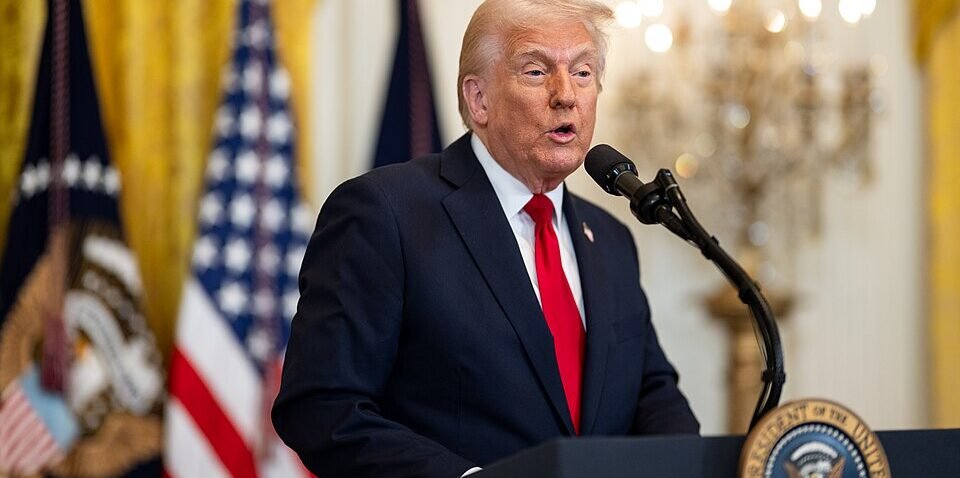
In a development that could reshape Middle East stability and ease pressure on global energy markets, President Donald Trump shared optimistic news Saturday evening about ongoing talks with Iran.
Taking to Truth Social, the President stated that a Memorandum of Understanding aimed at peace between the United States and the Islamic Republic of Iran has been “largely negotiated,” with final details currently being worked out. He added that the agreement would include the reopening of the strategically vital Strait of Hormuz.
This update comes after Trump held direct conversations with several key regional leaders, including those from Saudi Arabia, the UAE, Qatar, Turkey, Jordan, and Bahrain. He also spoke with Israeli Prime Minister Benjamin Netanyahu, describing that call as going “very well.”
For many Americans who remember the failed Iran nuclear deal from the Obama era — which Trump has long criticized as one of the worst agreements in U.S. history — this moment feels different. It reflects a return to “peace through strength” rather than appeasement.
What We Know About the Potential Deal So Far
According to Trump’s post and White House briefings, the core elements include:
- Reopening the Strait of Hormuz: This narrow waterway is responsible for roughly 20% of the world’s oil trade. Its closure or disruption during recent tensions has contributed to higher energy prices worldwide.
- Nuclear Safeguards: The President has repeatedly emphasized that any agreement must prevent Iran from developing nuclear weapons. This reportedly involves turning over enriched uranium and verifiable guarantees against weaponization.
- Broader Regional Stability: The deal aims to reduce hostilities that escalated earlier this year, potentially including extended ceasefires and steps toward normalizing tensions with Israel and Gulf states.
Trump noted that “final aspects and details of the Deal are currently being discussed and will be announced shortly.” While this is encouraging, experienced observers caution that Iran has pushed back on some of the characterizations, calling certain claims premature.
Why This Matters to American Families
Let’s be honest: Most people don’t follow Middle East diplomacy every day. But when oil flows more freely through the Strait of Hormuz, it often translates to lower gas prices at the pump here at home. That’s real money back in the pockets of truck drivers, families on road trips, and businesses shipping goods.
Beyond economics, there’s a national security angle. Preventing a nuclear-armed Iran has been a bipartisan goal for decades. Trump supporters argue this approach — combining tough leverage with active diplomacy — is more effective than past strategies that either led to endless conflicts or gave Iran too much without enough accountability.
Of course, not everyone is celebrating yet. Critics on both sides have raised valid questions. Some worry about whether Iran can be trusted to follow through. Others from the more interventionist wing of the Republican Party express concern that any deal might not go far enough to protect Israel. These are fair points worth watching closely as more details emerge.
A Different Style of Leadership
What stands out in this moment is Trump’s direct engagement. Instead of letting the situation drift, he’s personally involved — making calls, posting updates, and setting clear red lines. Whether you love him or not, this hands-on approach is classic Trump: results-oriented and impatient with Washington’s usual slow pace.
This development also comes at an interesting time domestically. With the high-stakes Texas Senate runoff between John Cornyn and Trump-endorsed Ken Paxton happening on Tuesday, many MAGA voters see foreign policy wins like this as proof that the America First agenda delivers on the world stage.
The coming days will be critical. The administration has promised more details soon, and markets are already reacting to the possibility of reduced tensions. Oil prices eased slightly on the news, though analysts warn they remain sensitive to any setbacks.
As someone who has followed Trump’s foreign policy for years, I believe this fits a consistent pattern: Apply maximum pressure first, then negotiate from strength. It worked with North Korea, with China trade deals, and the Abraham Accords. Will it work with Iran? We’ll know more very soon.
About Republican Column: At Republican Column, we bring you breaking U.S. news, politics, and global developments every day to keep you informed.